What to Expect at Your First Acupuncture Appointment
What to Expect at Your First Acupuncture Appointment
What to Expect at Your First Acupuncture Appointment
If you’ve never tried acupuncture before, it’s natural to have questions about what happens during an appointment. Will it hurt? What should you wear? How long will the treatment take? Understanding what to expect can make your first visit feel much more comfortable.
Acupuncture is a traditional form of care that involves inserting very thin needles into specific points on the body. Many people seek acupuncture as part of their approach to managing pain, stress, muscle tension, and overall wellness.
Here’s what you can generally expect during your first acupuncture appointment.
Your Initial Consultation
Your first appointment will typically begin with a conversation about your health, concerns, and goals. Your practitioner may ask about the symptoms you’re experiencing, how long you’ve had them, your medical history, medications or supplements, lifestyle habits, sleep, stress levels, and other factors that may be relevant to your care.
This consultation gives your acupuncturist an opportunity to understand your individual needs and develop an appropriate treatment approach.
Be open and specific when describing your symptoms. Let your practitioner know about any health conditions, medications, recent procedures, injuries, or other concerns that may affect your treatment.
What Happens During the Assessment?
After discussing your concerns, your practitioner may perform an assessment. Depending on your symptoms and the practitioner’s approach, this may include observing areas of discomfort, checking movement or muscle tension, or examining your pulse and tongue as part of traditional acupuncture assessment methods.
The goal is to identify an appropriate treatment strategy based on your individual needs rather than simply treating one isolated symptom.
What Is Acupuncture Treatment Like?
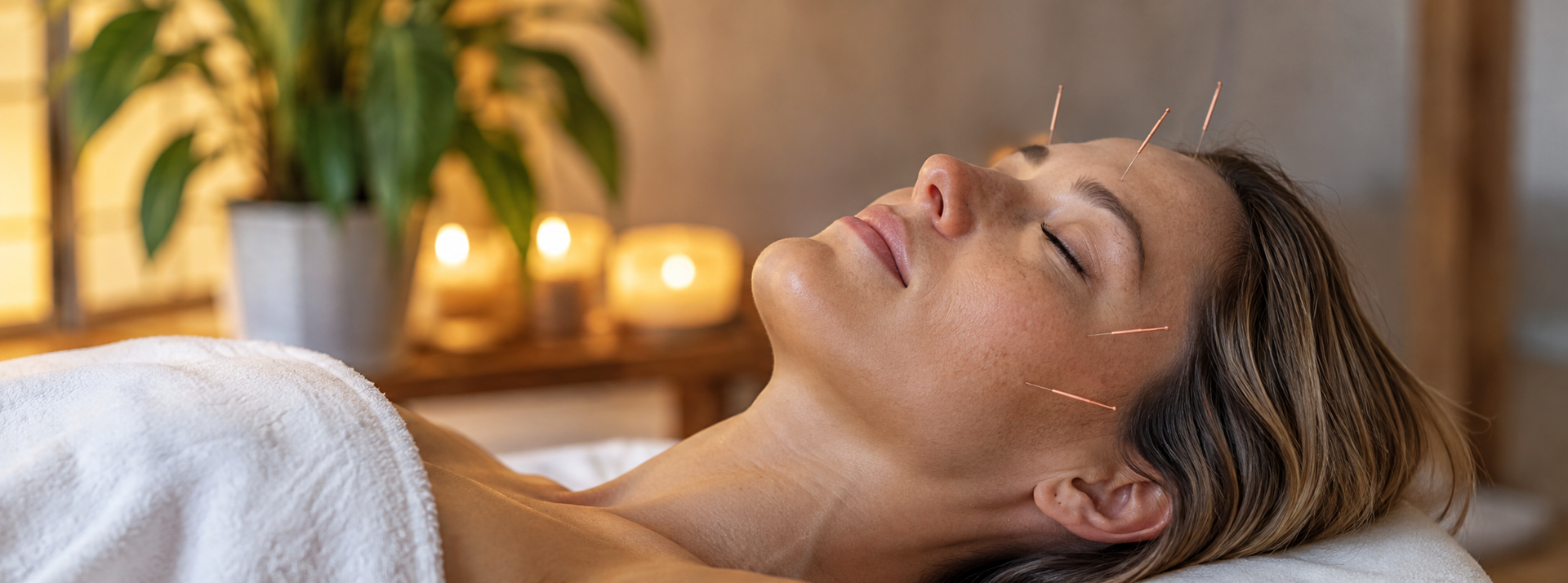
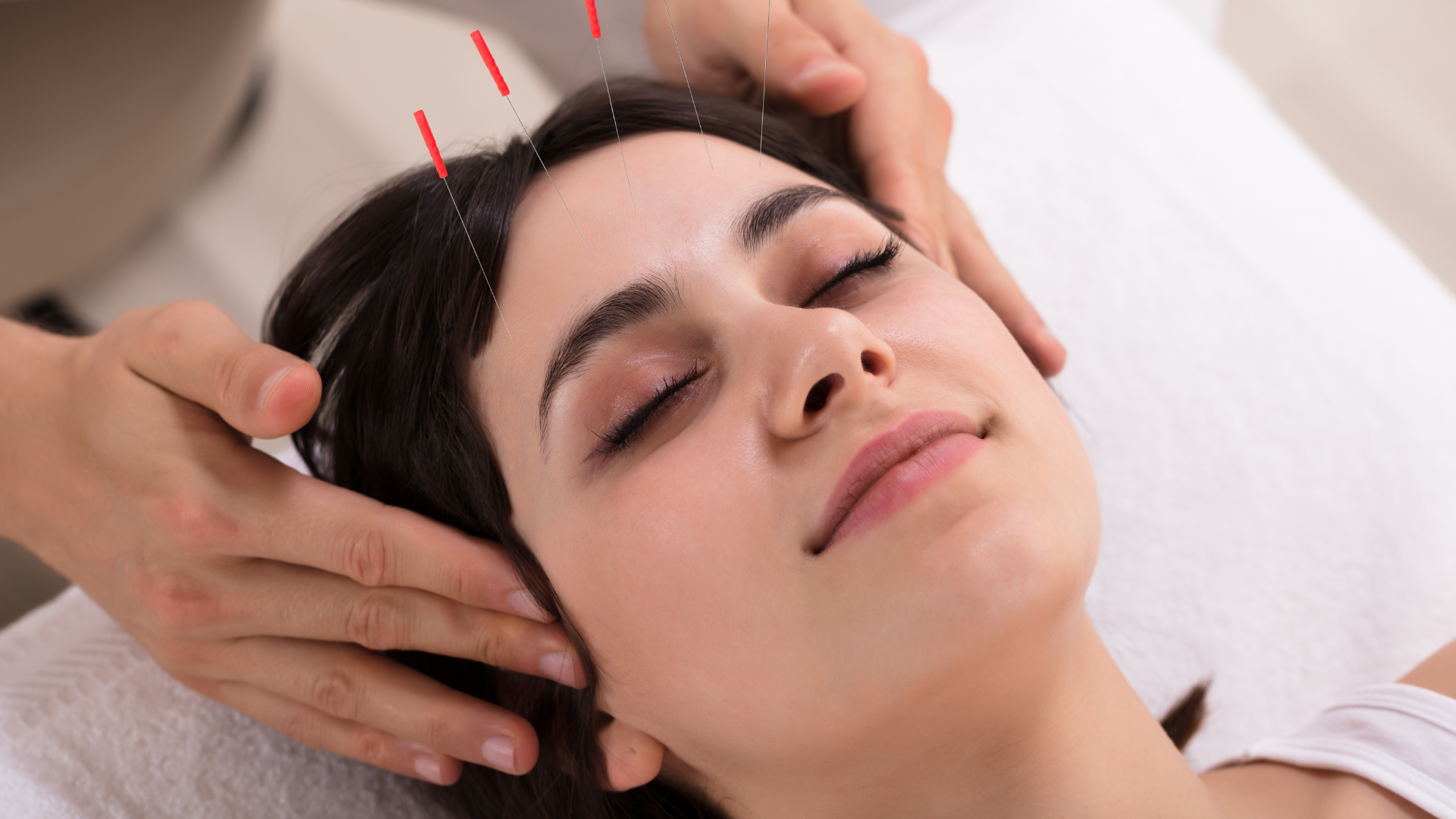
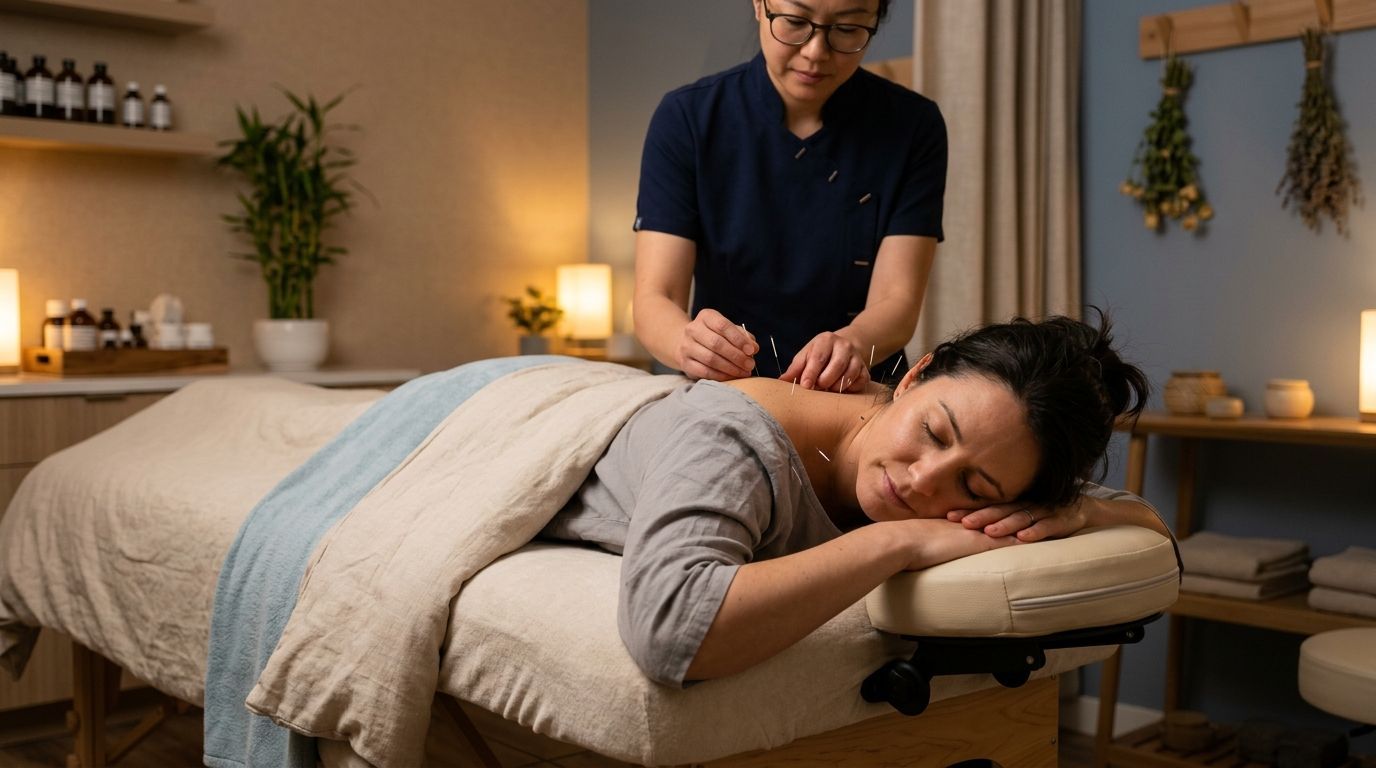
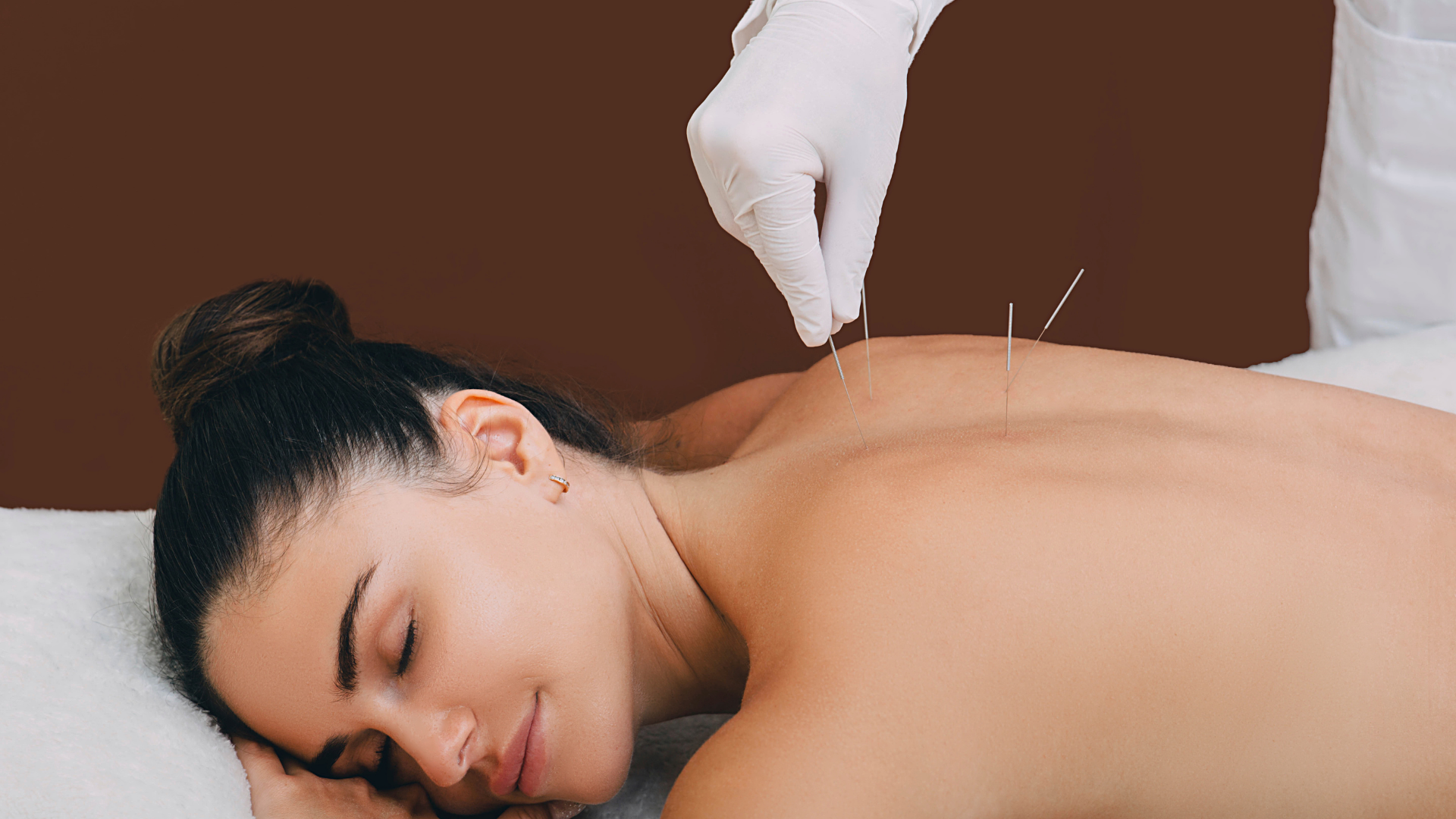
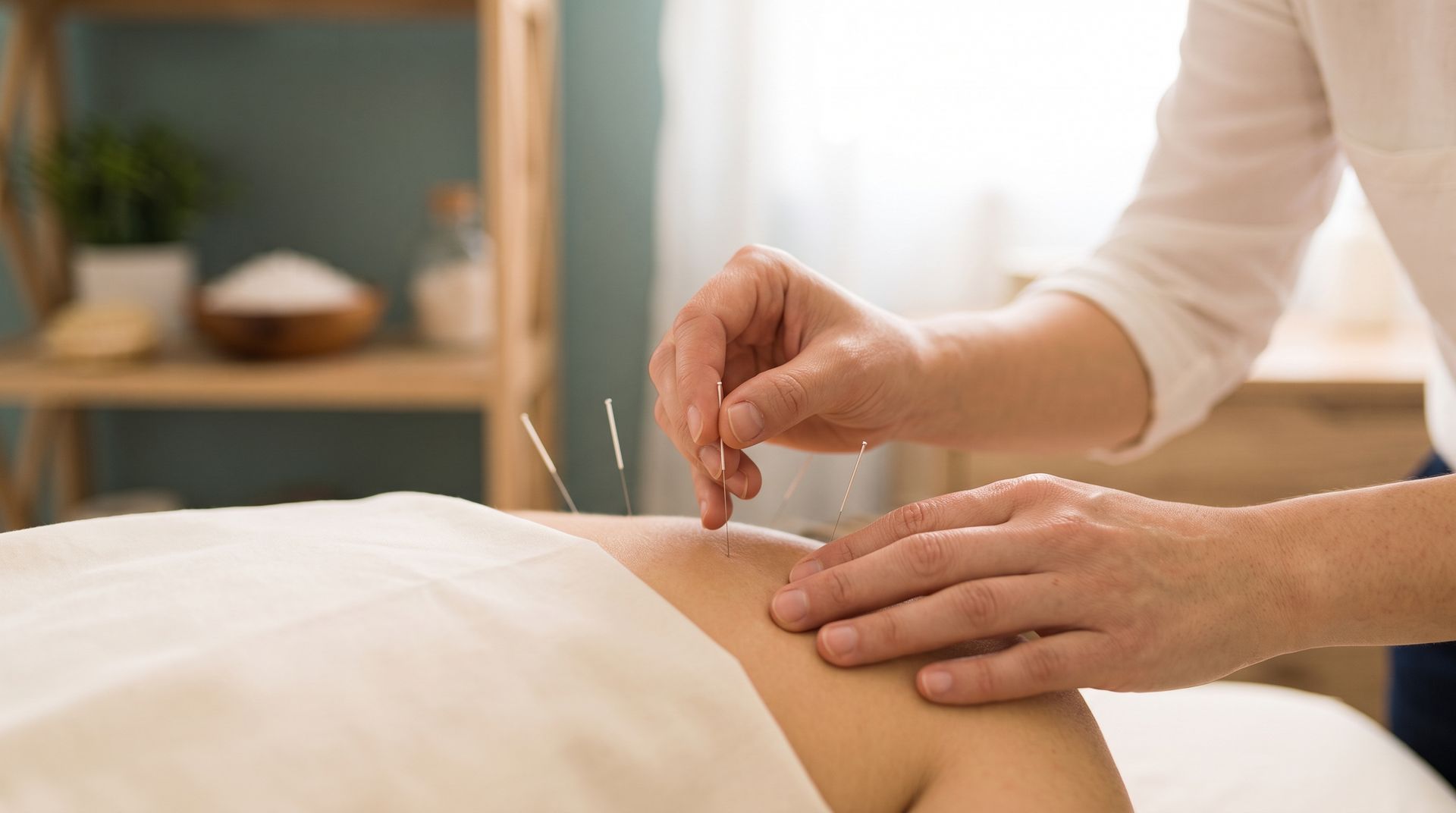
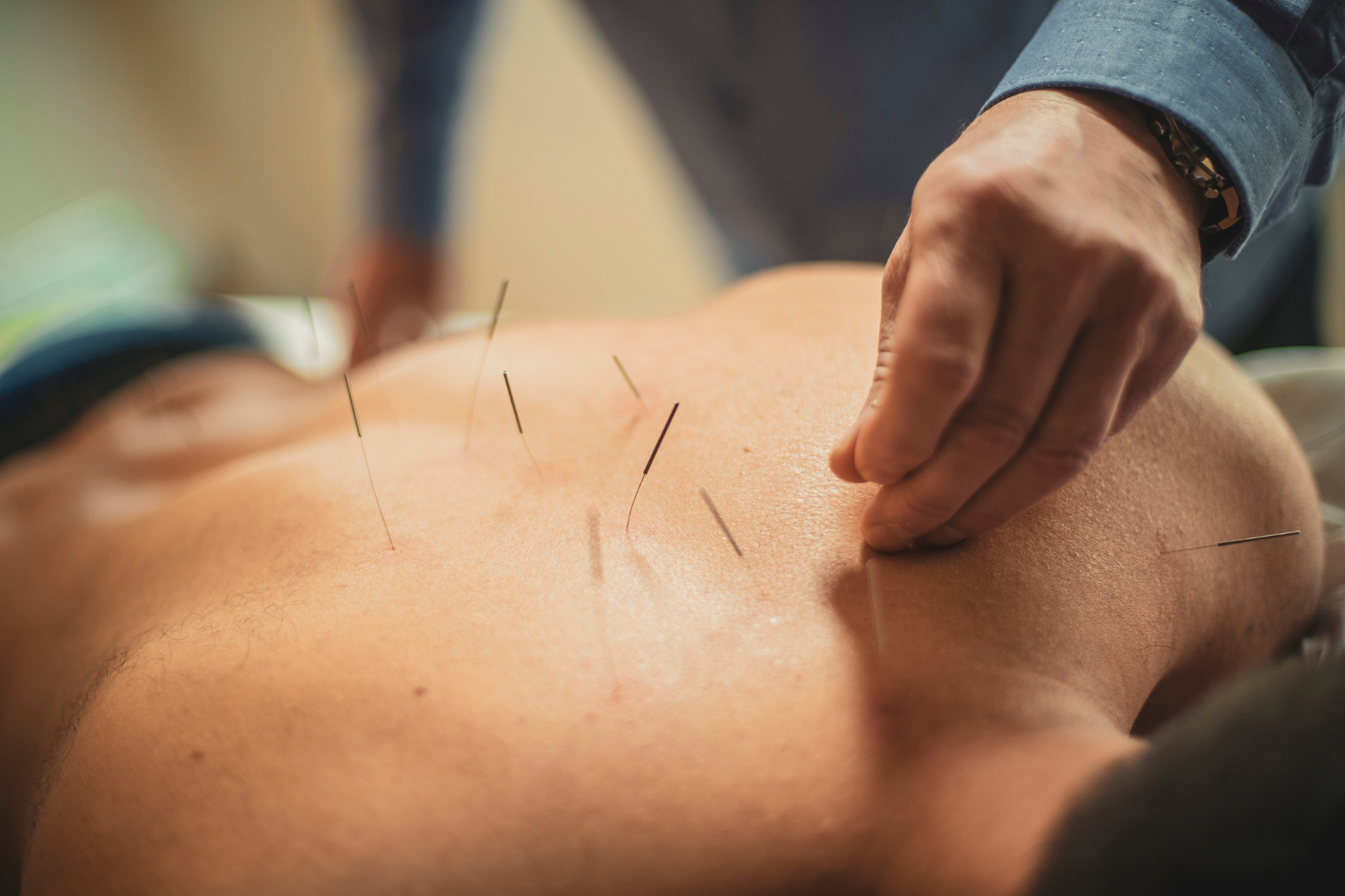
During treatment, you’ll usually lie or sit in a comfortable position. The practitioner will clean the appropriate areas of your skin before carefully inserting very thin, sterile, single-use needles into selected acupuncture points.
Acupuncture needles are much thinner than many people expect. You may feel a brief sensation when a needle is inserted, but acupuncture should not feel like receiving an injection.
Once the needles are positioned, you may be asked to relax for a period of time. Some people experience a feeling of heaviness, warmth, tingling, or mild pressure around the acupuncture points. Others simply feel relaxed.
If anything feels uncomfortable, tell your practitioner. They can adjust the needles or positioning to help you remain comfortable.
How Long Does a First Appointment Take?
Appointment lengths vary depending on the practitioner, your concerns, and the type of treatment being provided. Because your first visit generally includes an initial consultation and assessment in addition to treatment, it may take longer than follow-up appointments.
Your practitioner should explain what to expect before beginning treatment and give you an opportunity to ask questions.
What Should You Wear?
Choose comfortable clothing that allows reasonable access to the areas being treated. Loose-fitting clothing is often a good choice.
Depending on the acupuncture points selected, your practitioner may need access to your arms, legs, back, abdomen, or other areas. If you’re unsure what to wear, you can ask the clinic before your appointment.
It’s also a good idea to arrive feeling reasonably comfortable and hydrated. Unless your practitioner gives you different instructions, avoid arriving extremely hungry or immediately after a very heavy meal.
What Might You Feel After Treatment?
People respond to acupuncture differently. Some feel calm or relaxed immediately afterward, while others may feel energized. Mild soreness, tenderness, or temporary bruising can occasionally occur around needle sites.
Your practitioner may recommend simple after-care steps based on your treatment and individual circumstances.
If you experience anything unusual or have concerns following treatment, contact your acupuncture provider for guidance.
How Many Acupuncture Sessions Will You Need?
There is no single number of acupuncture sessions that works for everyone. Your treatment plan may depend on your symptoms, goals, overall health, and how you respond to treatment.
Some people schedule acupuncture periodically as part of their wellness routine, while others may receive a series of appointments for a specific concern.
Your practitioner can discuss a recommended treatment schedule with you after evaluating your needs.
Is Acupuncture Right for You?
Acupuncture may be one option to consider as part of a broader approach to health and wellness. However, it may not be appropriate for everyone or every condition.
Before treatment, make sure your practitioner knows about relevant health conditions, medications, pregnancy, bleeding disorders, allergies, recent surgeries, or other factors that could affect your care.
Acupuncture should not be used as a substitute for appropriate medical evaluation or emergency care when those services are needed.
Making Your First Appointment More Comfortable
The best way to prepare for your first acupuncture appointment is to communicate openly with your practitioner. Ask questions, explain your concerns, and let them know if you are nervous about needles or have had uncomfortable experiences with medical procedures in the past.
Your first visit is an opportunity to learn about acupuncture, discuss your goals, and determine whether the treatment approach is appropriate for you.
Take the First Step Toward Personalized Care
Trying acupuncture for the first time doesn’t have to be intimidating. Knowing what happens during the consultation, assessment, and treatment can help you arrive feeling prepared and confident.
If you’re considering acupuncture for pain management, stress, muscle tension, or general wellness, speak with a qualified acupuncture professional to determine whether it may be appropriate for your individual needs.