
Acupuncture for Better Sleep and Insomnia
Acupuncture for Better Sleep and Insomnia
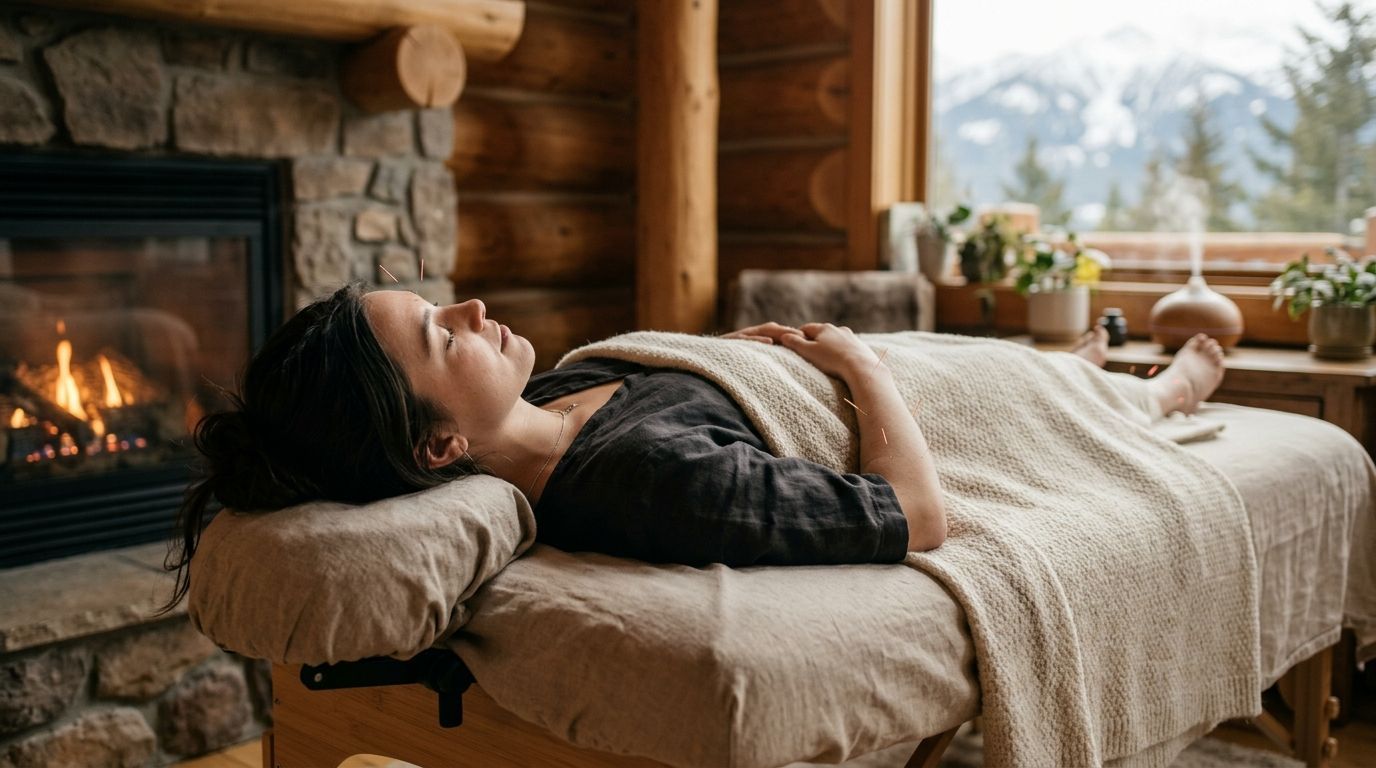
Getting enough quality sleep is an important part of feeling your best, yet many people struggle to fall asleep, stay asleep, or wake up feeling rested. Occasional sleeplessness can happen to anyone, but ongoing sleep problems may affect energy, concentration, mood, and overall well-being.
For people looking for a natural approach to better sleep, acupuncture for insomnia may be worth considering. Acupuncture is a traditional practice that uses very thin needles at specific points on the body. Some people use acupuncture as part of a broader wellness routine to support relaxation and healthier sleep patterns.
What Is Insomnia?
Insomnia is a common sleep problem that can make it difficult to fall asleep, remain asleep, or get restorative sleep. Some people may lie awake for a long time before falling asleep, while others may wake during the night and have difficulty returning to sleep.
Sleep difficulties can have many possible contributing factors, including stress, changes in routine, an uncomfortable sleep environment, lifestyle habits, and other health or wellness concerns. When sleep problems continue, identifying potential contributing factors can be an important first step.
Can Acupuncture Help With Sleep?
Many people explore acupuncture for better sleep because of its focus on relaxation and overall balance. Acupuncture sessions are designed around specific points on the body and may be incorporated into an individualized wellness plan.
Research into acupuncture and sleep has produced promising findings, although more high-quality research is needed to fully understand how effective acupuncture may be for different types of sleep problems. Acupuncture should be viewed as a complementary approach rather than a guaranteed treatment for insomnia.
For some individuals, the calm environment and relaxation associated with an acupuncture session may also make it a helpful addition to an overall sleep-support routine.
How Does Acupuncture for Insomnia Work?
Acupuncture involves the careful placement of very thin needles into selected points on the body. From a traditional acupuncture perspective, these points are used to support the body's natural balance.
Modern research continues to examine the ways acupuncture may interact with the nervous system and other physiological processes. While the exact mechanisms are still being studied, some people report feeling deeply relaxed during or after an acupuncture session.
Your practitioner can discuss your sleep concerns, daily habits, and wellness goals before developing an acupuncture approach suited to your individual needs.
Acupuncture and Stress-Related Sleep Problems
Stress is often closely connected with poor sleep. A busy schedule, work responsibilities, personal concerns, and daily pressures can make it difficult to relax when bedtime arrives.
When the mind remains active at night, falling asleep may become more challenging. Some people turn to acupuncture for sleep and relaxation as part of a broader strategy for managing everyday stress.
Acupuncture may be combined with other healthy habits, such as establishing a consistent bedtime routine, limiting screen time before bed, creating a comfortable sleep environment, and practicing relaxation techniques.
What to Expect During an Acupuncture Session for Sleep
If you are considering acupuncture for insomnia, your first appointment will generally begin with a conversation about your concerns and wellness goals. Your practitioner may ask questions about your sleep schedule, difficulty falling or staying asleep, daily routine, and other relevant factors.
During the session, very thin acupuncture needles are gently placed at selected points. Many people describe the experience as calming and relaxing. The needles remain in place for a period of time while you rest.
Every person responds differently to acupuncture, and the number and frequency of sessions can vary depending on individual needs and treatment goals.
How Many Acupuncture Sessions Might You Need?
There is no single schedule that works for everyone. Your acupuncture practitioner can recommend a treatment plan based on your sleep concerns, overall wellness, and how you respond to sessions.
Some people may notice changes in how they feel after an initial session, while others may benefit from a series of appointments. Consistency may be important when acupuncture is being incorporated into a longer-term wellness routine.
Your practitioner can help you determine an appropriate approach rather than relying on a one-size-fits-all schedule.
Other Ways to Support Better Sleep
Acupuncture can be one part of a comprehensive approach to better sleep. Healthy daily habits may also help support your body's natural sleep-wake cycle.
Consider incorporating the following habits into your routine:
- Keep a consistent bedtime and wake-up schedule.
- Create a relaxing routine before going to bed.
- Keep your bedroom quiet, comfortable, and dark.
- Limit caffeine later in the day.
- Reduce screen use before bedtime.
- Get regular physical activity when appropriate.
- Practice breathing, meditation, or other relaxation techniques.
- Pay attention to habits or situations that seem to interfere with your sleep.
Small changes can sometimes make a meaningful difference when practiced consistently.
Is Acupuncture Right for Your Sleep Concerns?
If you regularly have difficulty falling asleep, staying asleep, or getting restful sleep, acupuncture may be one complementary option to discuss with a qualified practitioner.
Because sleep problems can have many possible causes, persistent or severe insomnia should also be discussed with an appropriate healthcare professional. Acupuncture should not replace medical evaluation or treatment when it is needed.
If you are interested in acupuncture for insomnia or better sleep, a consultation can help you learn whether acupuncture may fit into your personal wellness plan.
Improve Your Sleep Naturally With Acupuncture
Quality sleep can have an important impact on how you feel throughout the day. If stress, an inconsistent routine, or ongoing sleep difficulties are making it harder to get the rest you need, exploring supportive wellness options may be worthwhile.
Acupuncture for better sleep offers a complementary approach that focuses on individualized care, relaxation, and overall well-being. Talk with a qualified acupuncture practitioner about your sleep concerns and goals to determine whether acupuncture may be an appropriate addition to your wellness routine.