Can Acupuncture Help with Stress and Anxiety?
Can Acupuncture Help with Stress and Anxiety?
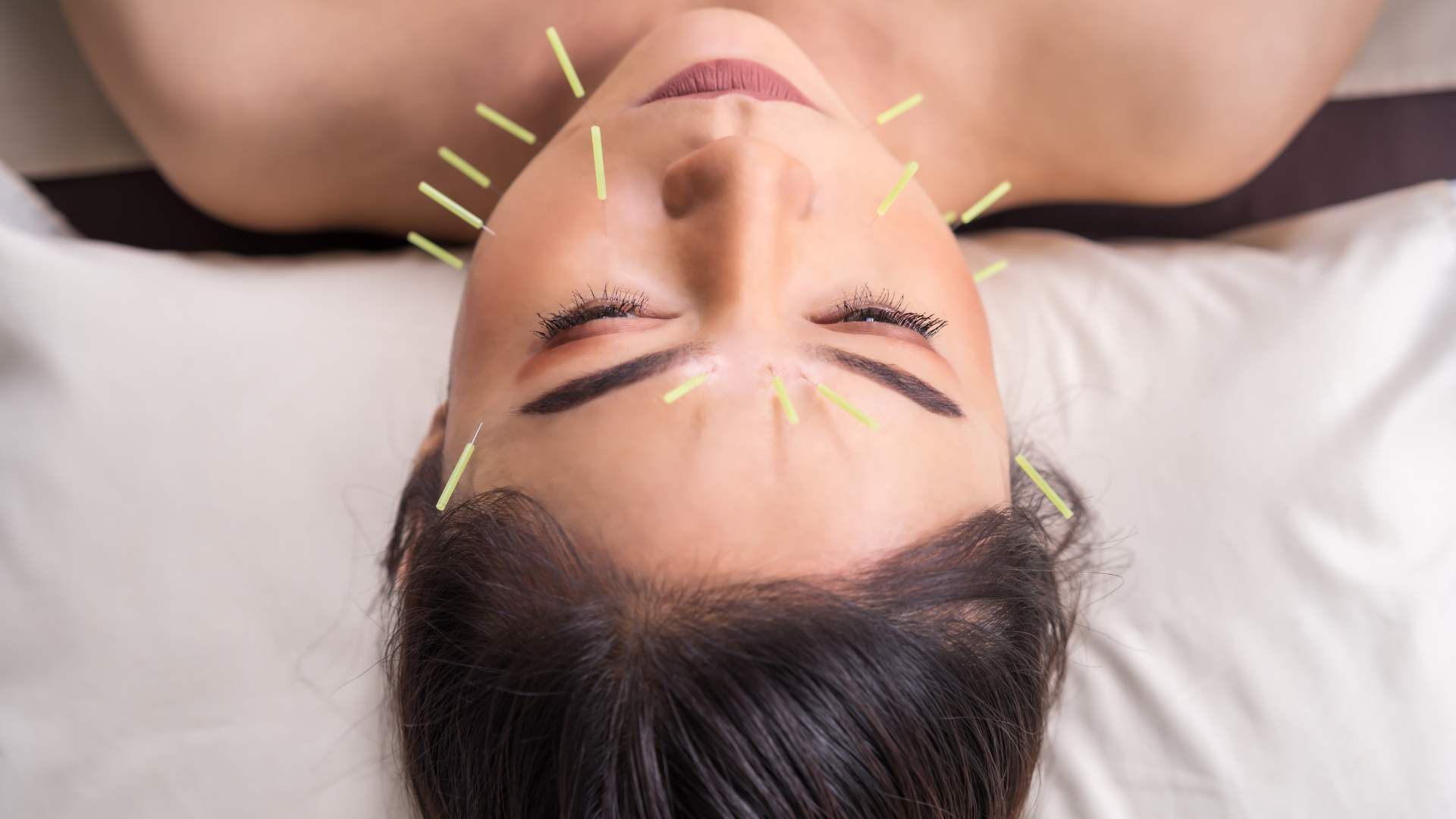
Stress and anxiety have become common parts of modern life. Work demands, family responsibilities, financial concerns, poor sleep, and everyday pressures can all contribute to feeling overwhelmed. While occasional stress is normal, ongoing stress and anxiety can affect your sleep, concentration, mood, energy levels, and overall well-being.
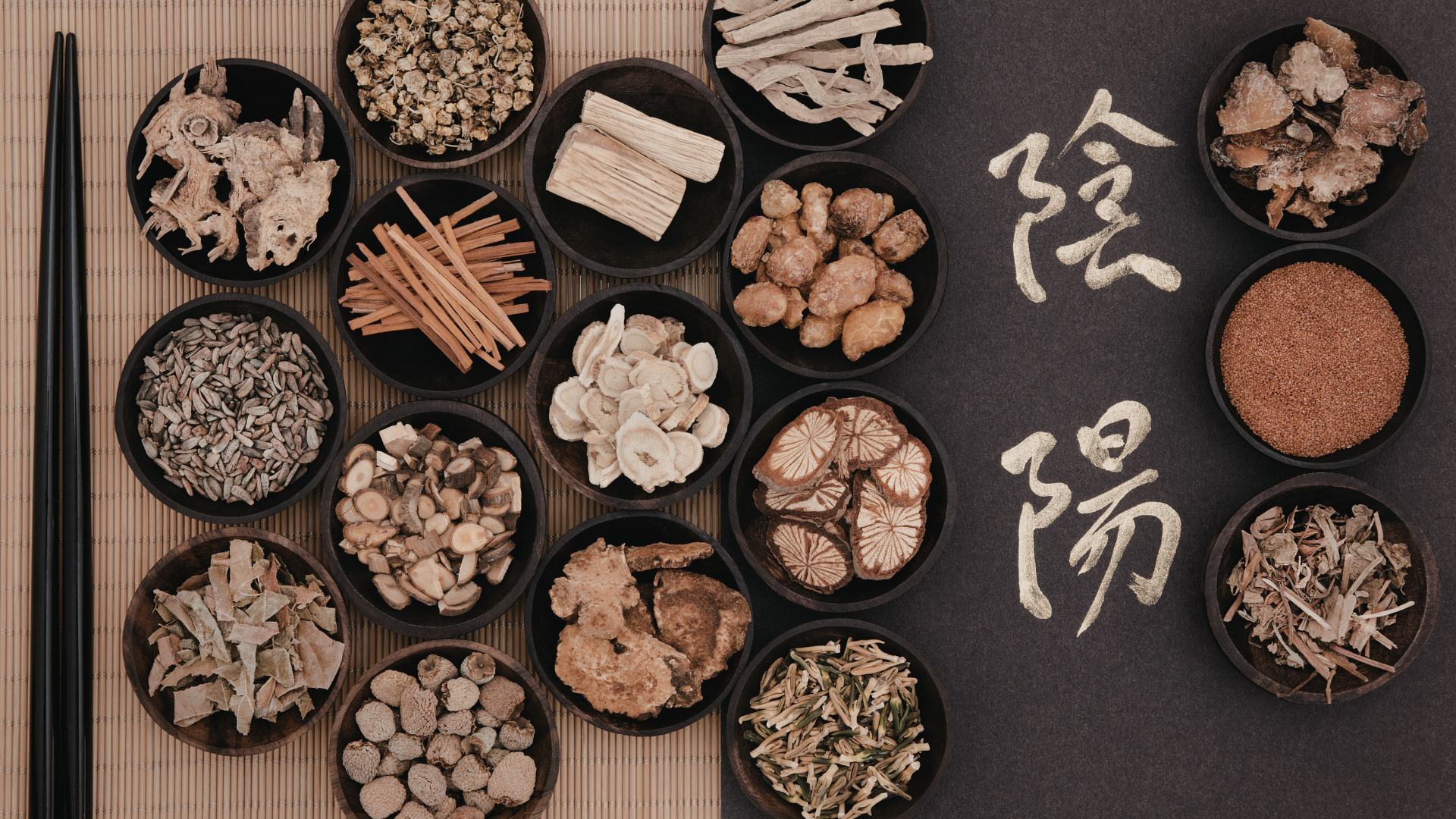
For people looking for a natural approach to managing stress, acupuncture may offer a helpful option. As part of traditional Chinese medicine, acupuncture uses very thin needles placed at specific points on the body. Many people use acupuncture as a complementary therapy to promote relaxation and support overall wellness.
But can acupuncture actually help with stress and anxiety? Let’s take a closer look.
What Is Acupuncture?
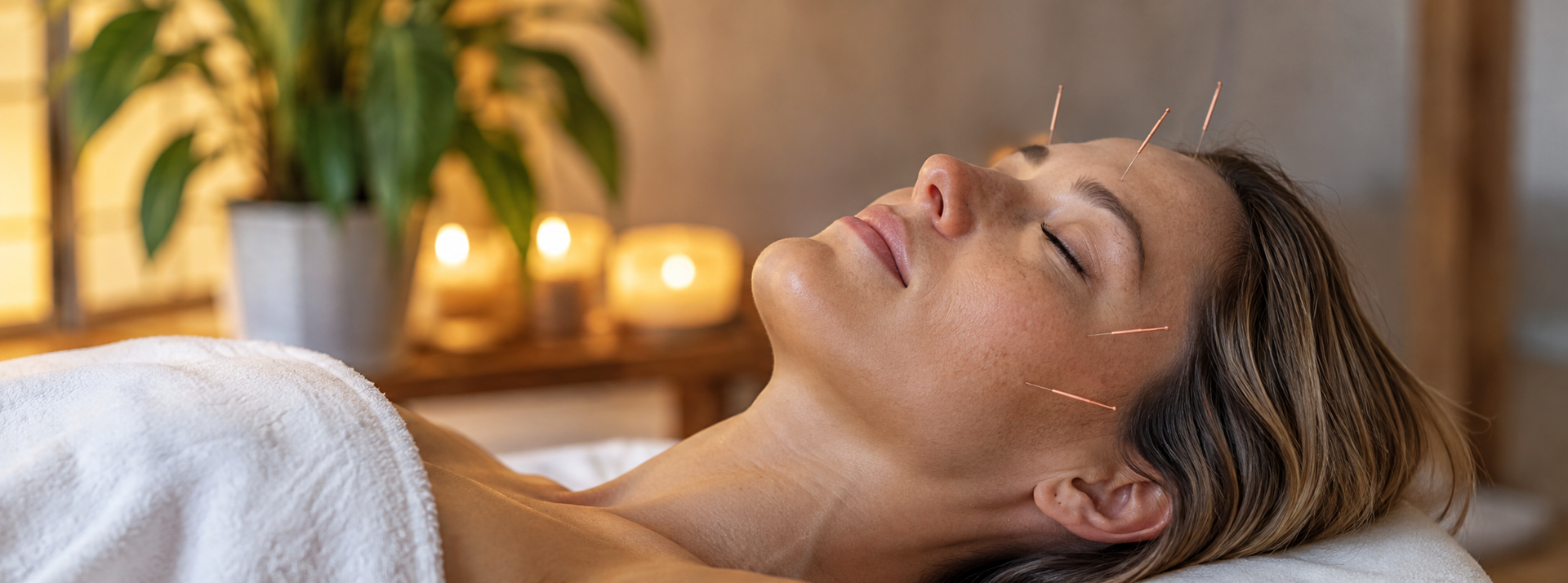
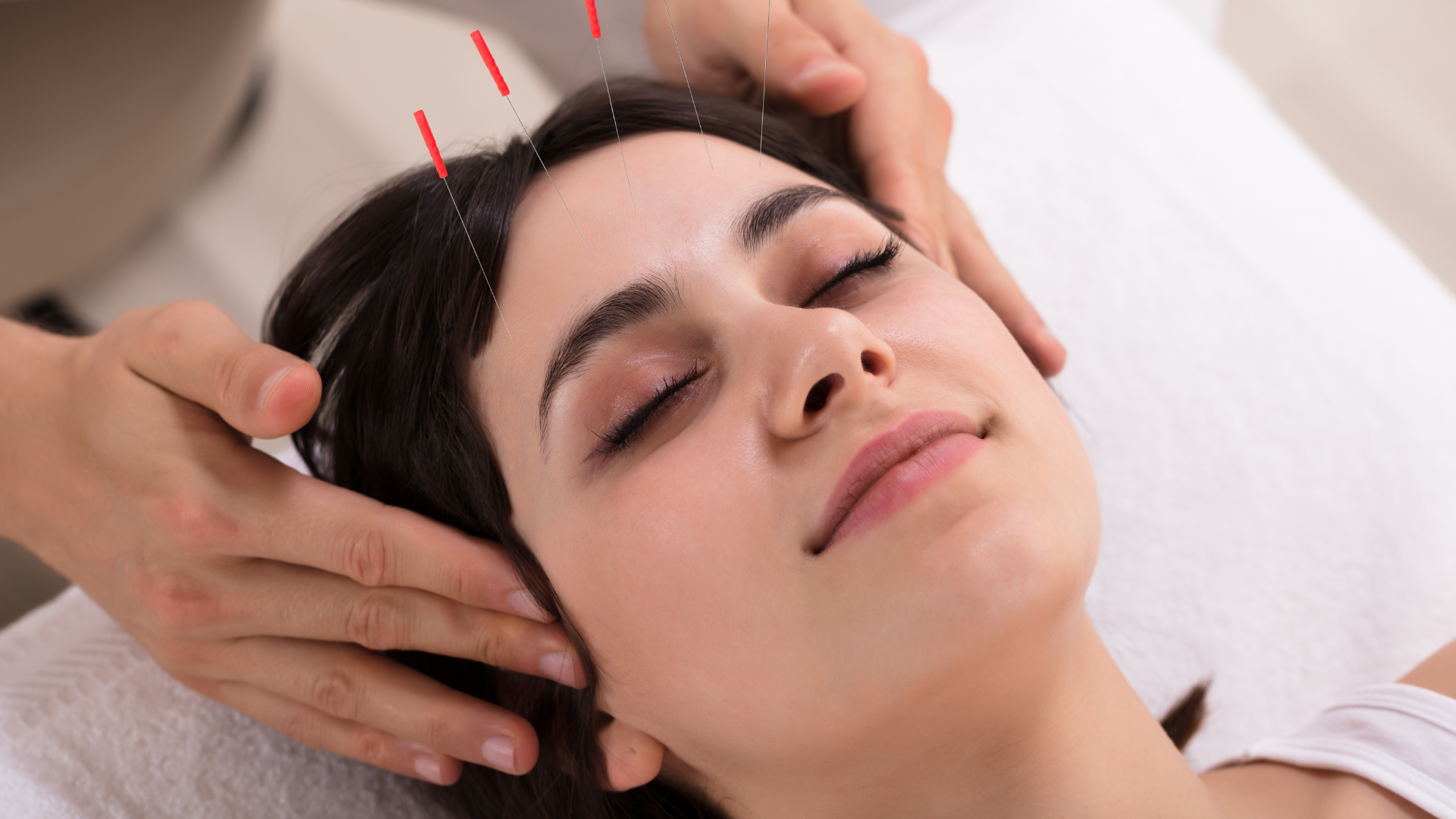
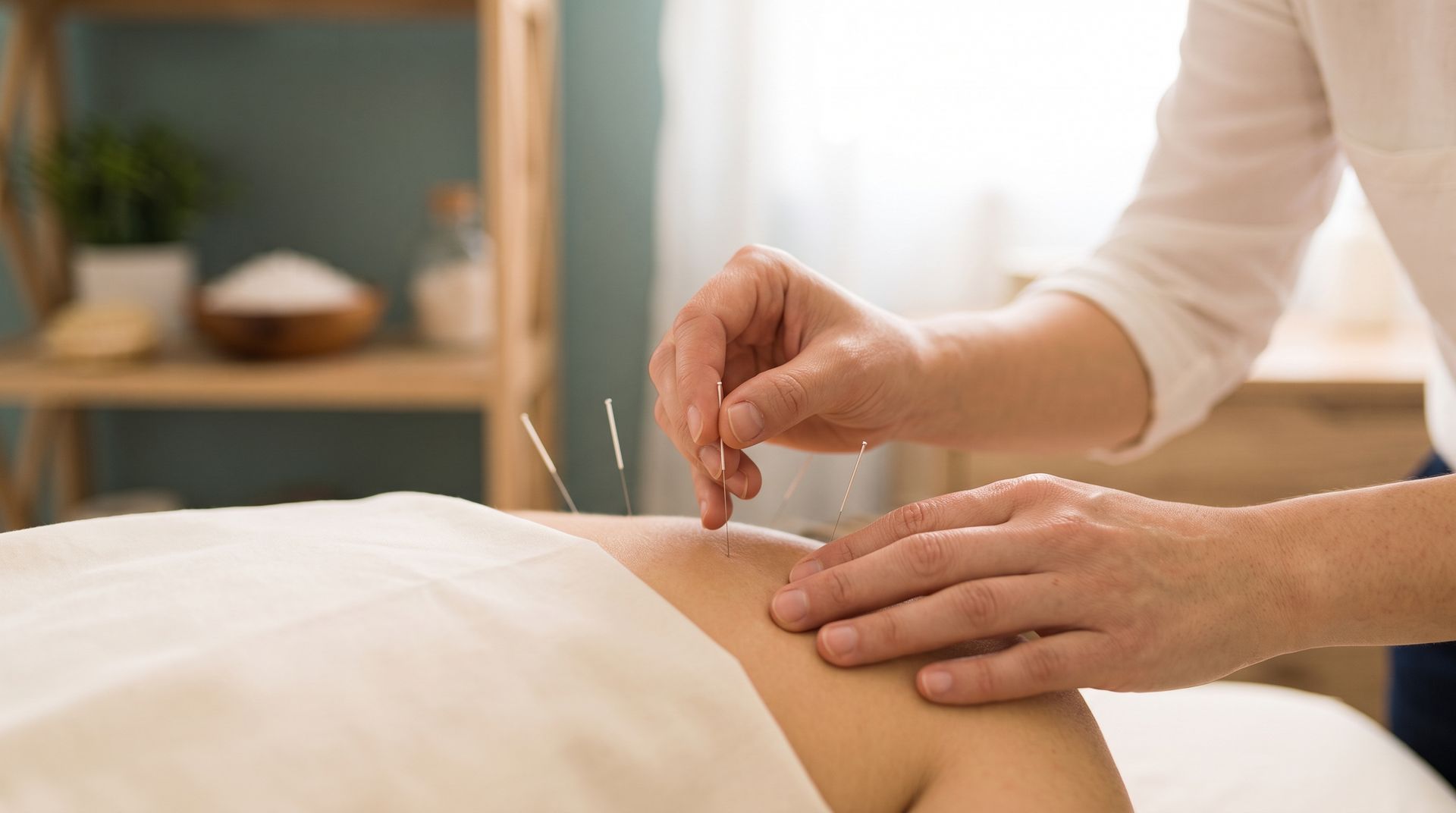
Acupuncture is a traditional Chinese medicine practice that involves inserting very thin needles into specific points on the body. The treatment is commonly used as a complementary approach for a variety of concerns, including pain, tension, sleep difficulties, and stress.
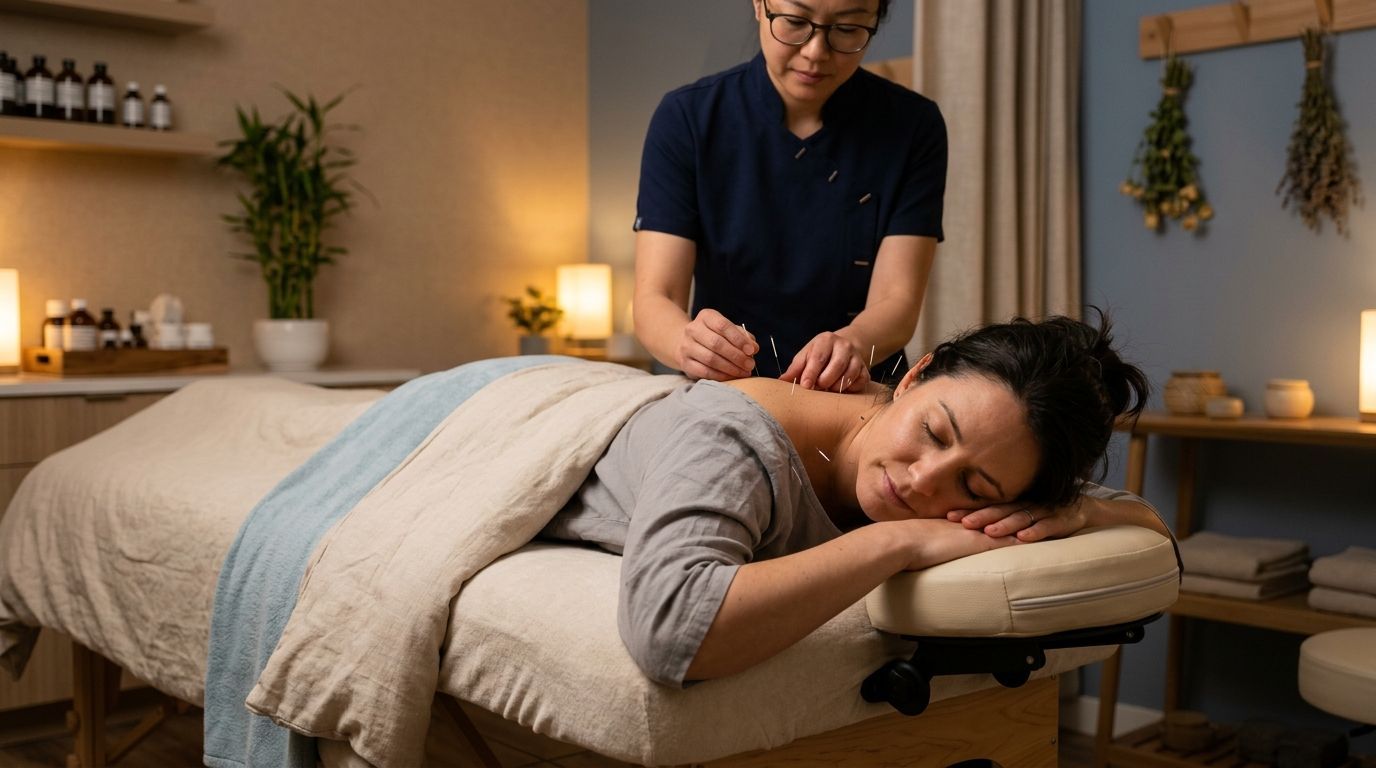
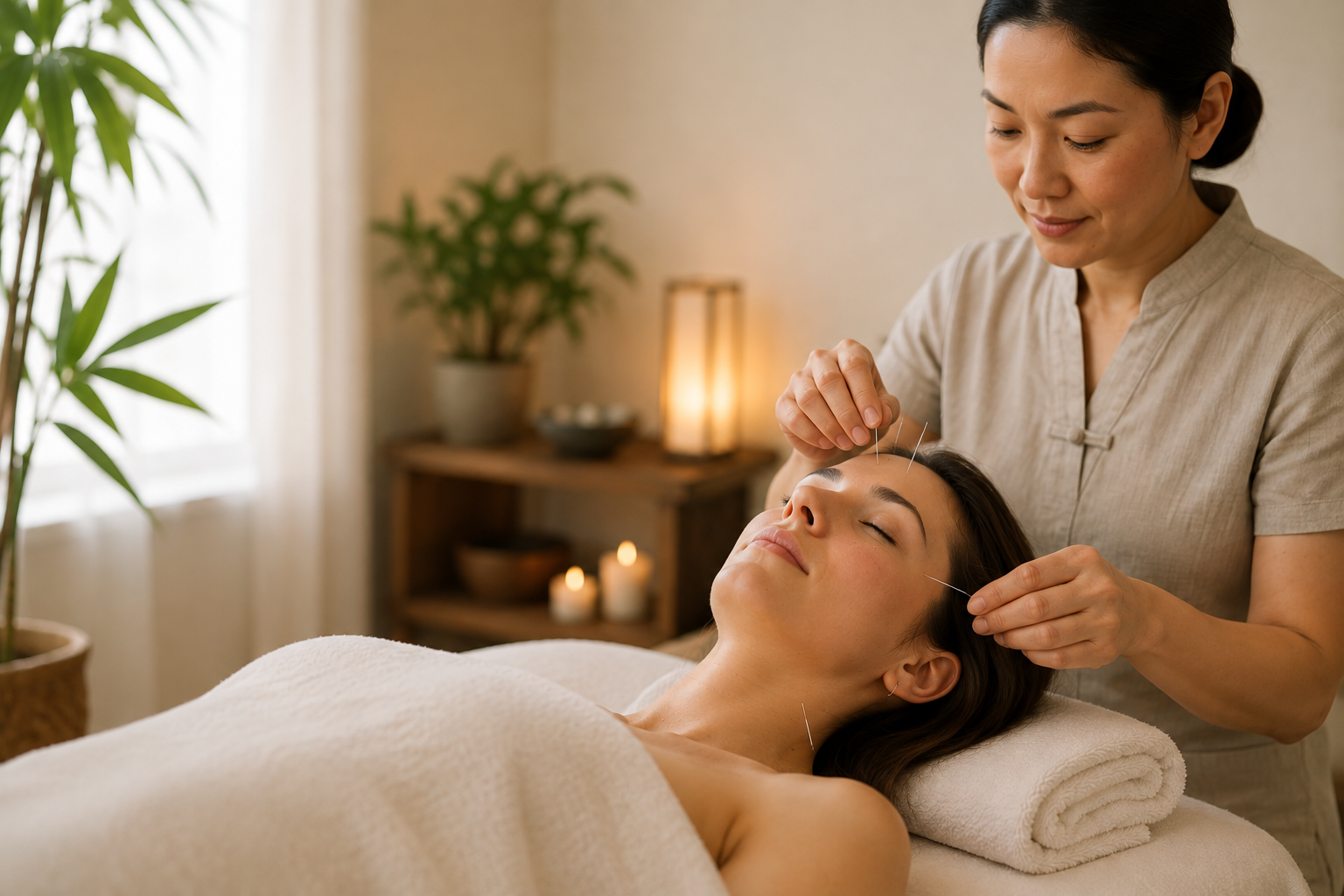
During an acupuncture session, a practitioner evaluates your concerns and selects acupuncture points based on your individual needs. The needles are generally very thin, and many people describe the treatment as relaxing rather than painful.
Modern research has also explored how acupuncture may influence the nervous system, stress responses, and other physiological processes.
Can Acupuncture Help with Stress?
Acupuncture may help some people manage stress and promote relaxation.
When you experience ongoing stress, your body can remain in a heightened state of alertness. This may contribute to muscle tension, headaches, difficulty sleeping, digestive discomfort, fatigue, and difficulty relaxing.
Acupuncture may help support the body's relaxation response. Many people report feeling calmer and more relaxed following treatment, although individual experiences can vary.
Acupuncture can also be incorporated into a broader stress-management plan that includes healthy sleep habits, physical activity, relaxation techniques, mindfulness, and appropriate medical or mental health care.
Can Acupuncture Help with Anxiety?
Research suggests that acupuncture may have potential benefits for people experiencing anxiety, but more high-quality research is needed to fully understand how effective it is.
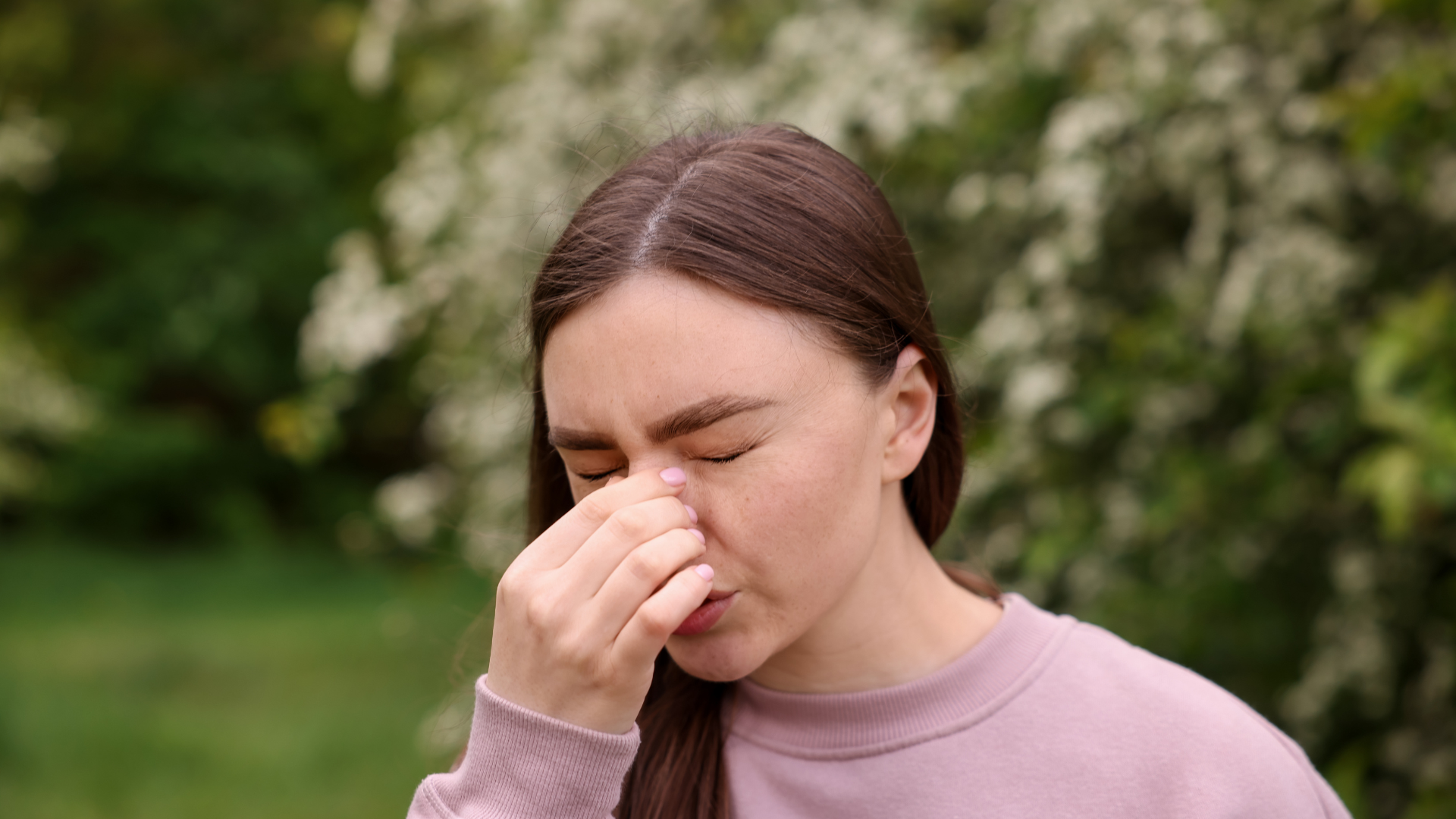
Anxiety can affect both the mind and body. Common symptoms may include:
- Excessive worrying
- Restlessness or feeling on edge
- Difficulty concentrating
- Muscle tension
- Irritability
- Trouble sleeping
- Rapid heartbeat
- Fatigue
Some people choose acupuncture as a complementary therapy because it may encourage relaxation and provide a calming experience.
However, acupuncture should not be considered a replacement for professional mental health treatment when anxiety is persistent, severe, or interfering with daily life.
How Does Acupuncture Work for Stress and Anxiety?
The exact mechanisms behind acupuncture's effects are still being studied. Researchers have investigated several possible explanations for how acupuncture may influence the body's nervous and stress-response systems.
One possibility is that acupuncture stimulation may affect the nervous system and influence processes associated with pain, relaxation, and stress regulation.
The treatment itself may also provide an opportunity to slow down, disconnect from daily pressures, and focus on relaxation. For some people, this combination of physical treatment and dedicated relaxation time can be an important part of their overall wellness routine.
What Happens During an Acupuncture Session for Stress?
If you're considering acupuncture for stress or anxiety, your first appointment will usually begin with a conversation about your symptoms, lifestyle, sleep, stress levels, and overall health.
Your practitioner may then develop an individualized treatment approach.
During the treatment:
- You will typically lie or sit in a comfortable position.
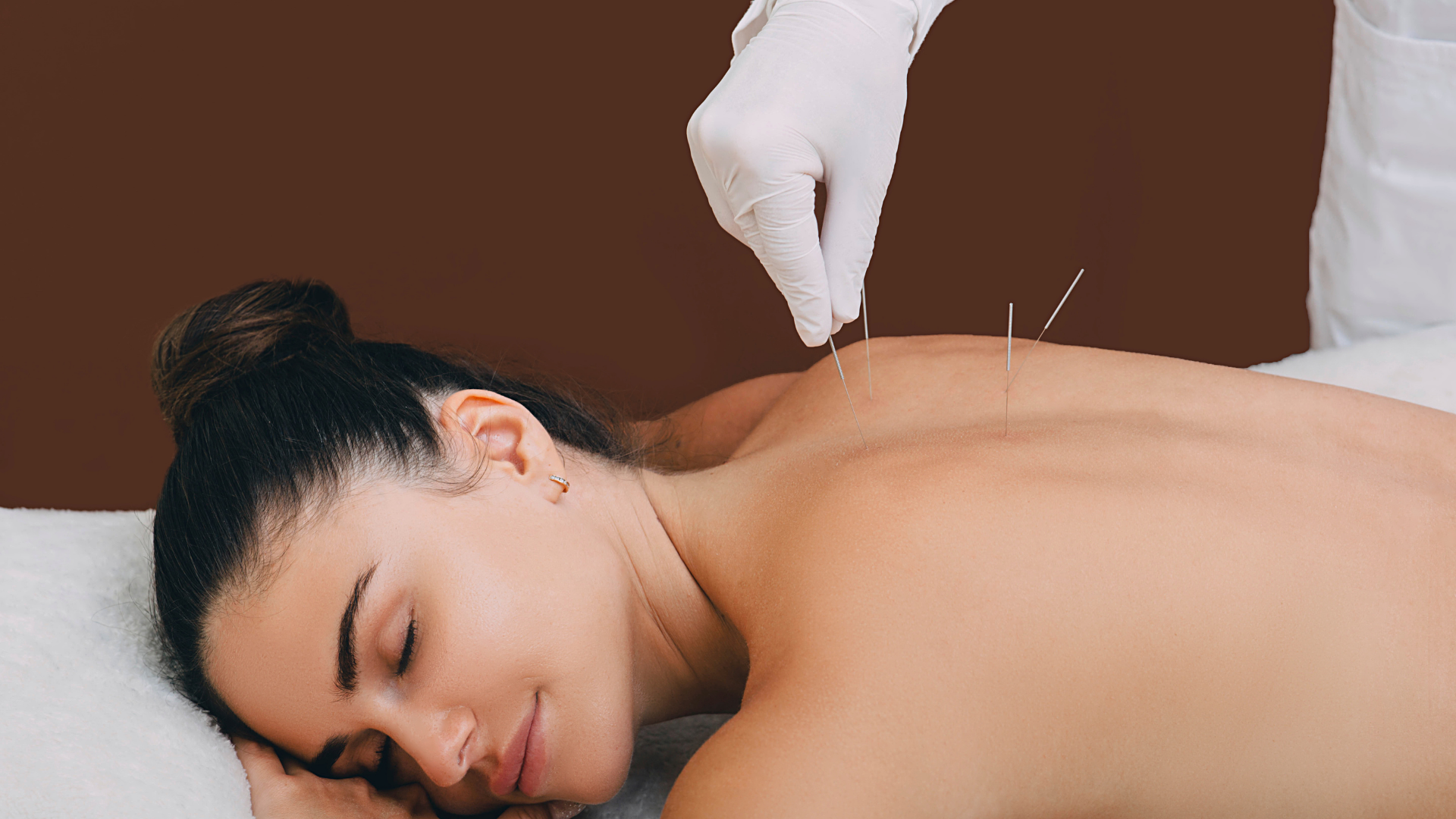
- Very thin acupuncture needles are inserted into selected points.
- The needles remain in place for a period of time.
- You may be encouraged to relax while the treatment is taking place.
- The needles are removed before the session ends.
Some people feel a mild sensation when a needle is inserted, while others barely notice it. Experiences can vary from person to person.
How Often Should You Get Acupuncture for Stress and Anxiety?
There is no single acupuncture schedule that works for everyone. Treatment frequency may depend on your symptoms, overall health, treatment goals, and how you respond to acupuncture.
Some people may begin with more frequent appointments and gradually reduce the frequency as they develop a routine. Your acupuncturist can discuss an appropriate treatment plan based on your individual needs.
It's also important to remember that acupuncture is often most useful as one part of a broader approach to wellness rather than as a standalone solution.
Other Ways to Manage Stress and Anxiety
Acupuncture can be combined with healthy lifestyle habits that support physical and emotional well-being.
Consider incorporating:
- Regular physical activity
- Consistent sleep habits
- Deep breathing exercises
- Meditation or mindfulness
- Time outdoors
- Healthy nutrition
- Limiting excessive caffeine
- Spending time with supportive people
- Taking regular breaks from work and screens
- Professional counseling or therapy when appropriate
Finding the right combination of strategies can make stress management more sustainable.
Is Acupuncture Safe?
When performed by a properly trained and qualified practitioner using sterile, appropriate techniques, acupuncture is generally considered safe for many people.
Minor effects such as temporary soreness, bruising, or slight bleeding at needle sites can sometimes occur.
Before beginning treatment, tell your practitioner about medications you take, medical conditions you have, pregnancy, or other factors that could affect your care.
When Should You Seek Professional Help for Anxiety?
While occasional anxiety is a normal part of life, persistent or severe anxiety deserves attention.
Consider speaking with a qualified healthcare or mental health professional if anxiety:
- Interferes with work, school, or relationships
- Makes it difficult to sleep regularly
- Causes frequent panic or intense fear
- Becomes difficult to control
- Significantly affects your quality of life
Acupuncture may be used alongside conventional healthcare and mental health treatment, but it should not replace necessary professional care.
Can Acupuncture Be Part of Your Stress-Management Plan?
For people searching for natural ways to manage stress and support relaxation, acupuncture may be worth considering as a complementary wellness treatment. While research continues to investigate acupuncture for anxiety and stress, many people find acupuncture sessions calming and beneficial as part of their overall self-care routine.
The most effective approach will depend on your individual needs. Combining acupuncture with healthy lifestyle habits and appropriate professional care can provide a more comprehensive approach to managing stress and supporting your well-being.
Final Thoughts
So, can acupuncture help with stress and anxiety? It may. Acupuncture has been studied for anxiety and stress-related symptoms, and some people report feeling more relaxed after treatment. However, results can vary, and acupuncture should be viewed as a complementary approach rather than a guaranteed treatment or replacement for medical or mental health care.
If stress or anxiety is affecting your daily life, consider discussing your options with a qualified healthcare professional and a licensed acupuncture practitioner. Together, you can determine which approaches may be appropriate for your needs.
Looking for a natural way to support relaxation and manage everyday stress? Contact our acupuncture practice to learn more about how acupuncture may fit into your wellness plan.