Can Acupuncture Help Skin Conditions?
Can Acupuncture Help Skin Conditions? A Guide to Urticaria, Acne, Eczema, Psoriasis, and More
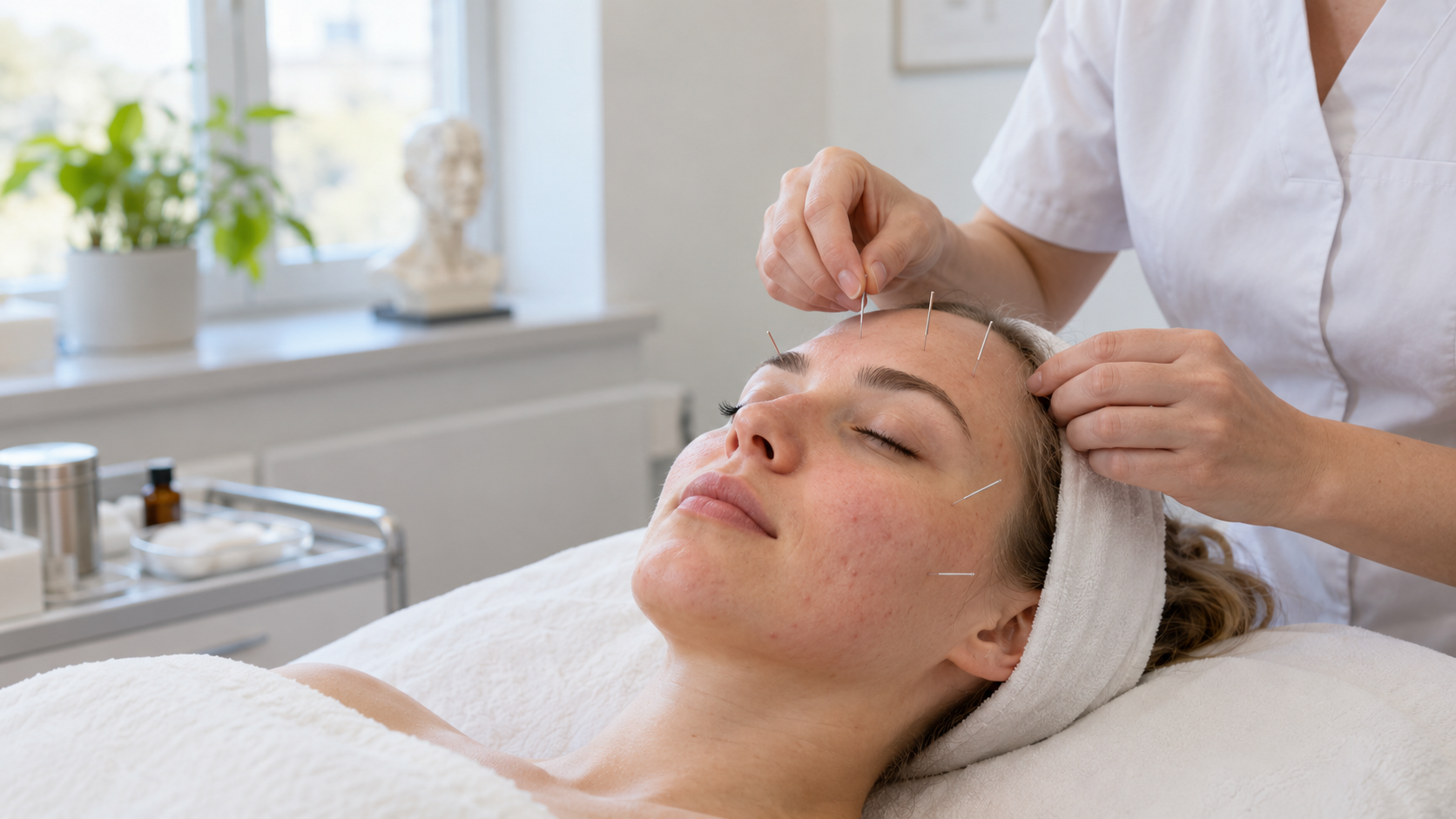
Skin problems can be frustrating.
One day your skin looks perfectly normal, and the next you are dealing with itching, redness, swelling, breakouts, painful bumps, or a rash that simply refuses to settle down.
For people living with chronic or recurring skin conditions, the problem can affect much more than appearance. It can interrupt sleep, make clothing uncomfortable, affect confidence, and turn something as simple as taking a shower into an unpleasant experience.
At Serene Life Acupuncture, we offer acupuncture as part of a whole-person approach to health. Many patients come to us after dealing with persistent skin concerns and looking for additional ways to support their comfort and overall well-being.
Acupuncture may be used as a complementary treatment for certain dermatological concerns, including:
- Urticaria
- Acne
- Erysipelas
- Eczema
- Herpes Zoster
- Boils
- Psoriasis
- Breast Abscess
Acupuncture is not a replacement for necessary medical care, especially when an infection or other urgent condition is involved. Instead, it may be incorporated alongside appropriate medical treatment when suitable.
Let's take a closer look at these skin conditions and where acupuncture may fit into a broader care plan.
Why Can Skin Problems Be So Difficult to Treat?
Your skin doesn't work on its own.
It is connected to your immune system, hormones, nervous system, circulation, stress levels, sleep, environment, and general health.
That is one reason two people with what appears to be the same skin condition can have completely different experiences.
One person may notice eczema flare-ups during stressful periods. Another may struggle with acne related to hormonal changes. Someone with psoriasis may experience periods when symptoms calm down followed by sudden flare-ups.
Acupuncture takes a broader approach by considering the patient's symptoms, overall health, lifestyle, sleep, stress levels, digestion, and other factors that may contribute to how they feel.
Acupuncture for Urticaria
Urticaria, commonly known as hives, causes raised, itchy welts on the skin.
The welts may appear suddenly and disappear within hours, only for new ones to appear elsewhere. Some people experience an occasional episode, while others deal with chronic urticaria that can continue for weeks or months.
For patients with recurring hives, acupuncture may be a complementary approach to support relaxation and symptom management.
Because stress can aggravate itching and flare-ups for some people, acupuncture's relaxing effect may also be helpful as part of a broader wellness plan.
However, sudden hives accompanied by difficulty breathing, throat swelling, dizziness, or swelling of the tongue or face can indicate a severe allergic reaction and require immediate emergency medical attention.
Acupuncture for Acne
Acne is not just a teenage problem.
Adults can develop acne too, particularly around periods of hormonal change, increased stress, or changes in skincare routines.
Acne can appear as:
- Blackheads
- Whiteheads
- Red pimples
- Pustules
- Deep, painful cysts
- Inflamed bumps
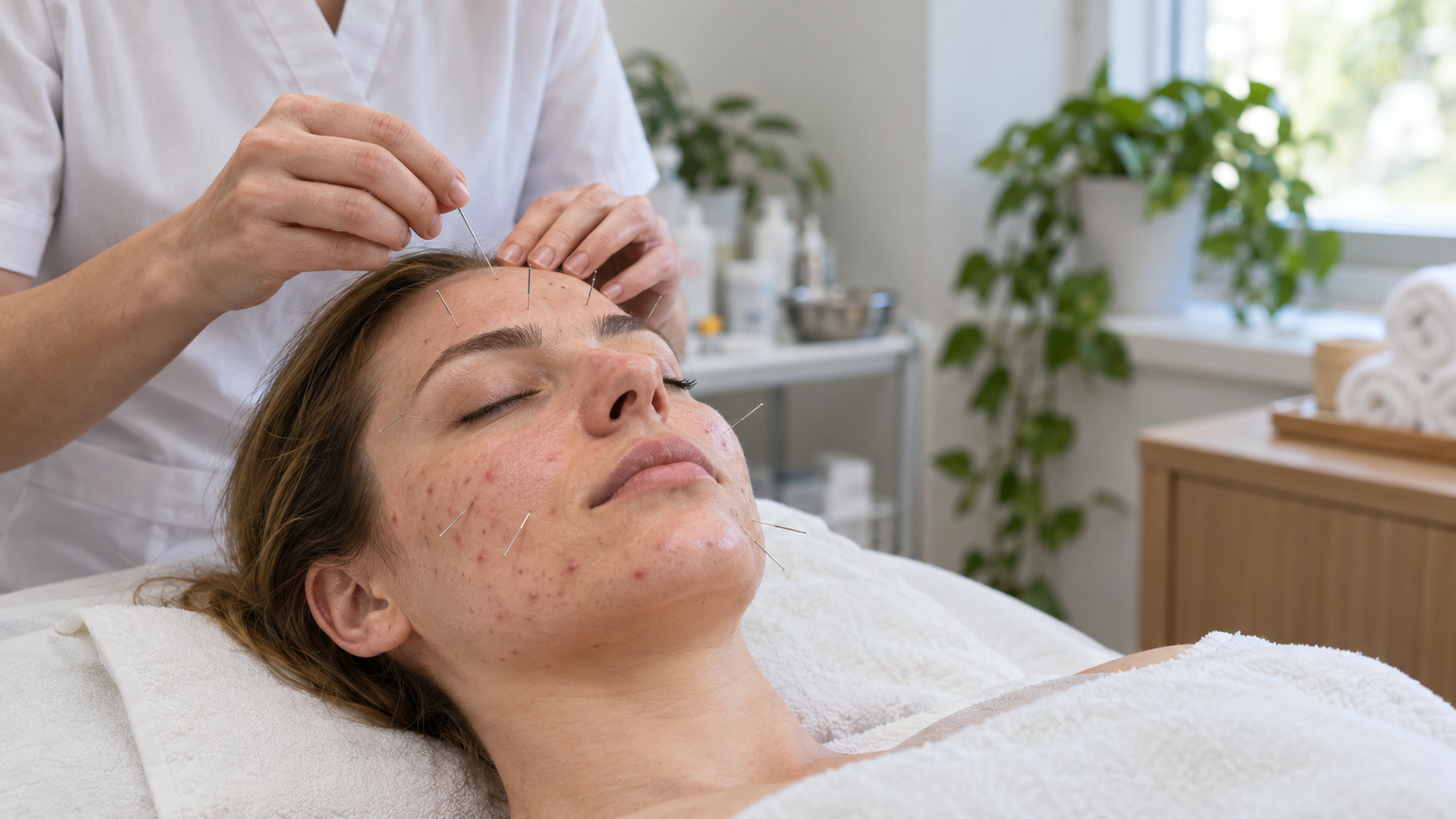
Acupuncture may be used alongside appropriate skincare and medical care as a complementary approach for people dealing with acne.
Treatment generally aims to support overall balance, relaxation, circulation, and general wellness rather than focusing on one visible spot.
A healthcare professional or dermatologist should also assess persistent or severe acne, especially when it causes scarring.
Acupuncture for Erysipelas
Erysipelas is a bacterial skin infection that commonly causes an area of skin to become red, swollen, painful, and warm.
It may also cause fever, chills, or general illness.
Unlike minor skin irritation, erysipelas requires prompt medical attention and is usually treated with antibiotics.
Acupuncture should not be considered a replacement for antibiotic treatment.
Once appropriate medical care has been established, some patients may discuss complementary therapies with their healthcare providers to support general comfort and recovery.
If redness is spreading quickly or you develop fever, severe pain, weakness, or other concerning symptoms, seek medical care promptly.
Acupuncture for Eczema
Eczema can turn the simple instruction "don't scratch" into an almost impossible challenge.
The condition commonly causes:
- Dry skin
- Redness
- Itching
- Scaling
- Irritation
- Cracked skin
- Recurring flare-ups
Symptoms can range from mild irritation to severe itching that interferes with sleep.
Many potential eczema triggers include environmental irritants, allergens, weather changes, stress, and individual immune responses.
Acupuncture may be used as part of a broader eczema management plan, particularly for patients seeking complementary ways to manage stress, itching, and overall discomfort.
Patients should continue prescribed medications, moisturizers, or other dermatologist-recommended treatments unless their healthcare provider instructs otherwise.
Acupuncture for Herpes Zoster
Herpes zoster, better known as shingles, occurs when the chickenpox virus reactivates.
It typically causes a painful, burning rash on one side of the body.
Some people describe shingles pain as:
- Burning
- Tingling
- Stabbing
- Extremely sensitive
- Painful even when touched lightly by clothing
A healthcare professional should evaluate shingles quickly because antiviral medication works best when started early.
Acupuncture may sometimes be considered as a complementary option for managing discomfort, including lingering nerve-related pain after the rash improves.
But acupuncture should not delay antiviral treatment or medical evaluation.
Shingles affecting the eye, face, or nervous system requires particularly urgent medical attention.
Acupuncture for Boils
A boil is a painful, pus-filled lump usually caused by a bacterial infection involving a hair follicle or nearby skin.
Small boils sometimes resolve on their own, but larger or recurring boils may require medical treatment.
Some may need professional drainage, and antibiotics may occasionally be necessary.
Never try to aggressively squeeze or puncture a boil yourself. Doing so can spread infection deeper into the skin or surrounding tissue.
Acupuncture may be considered as supportive care in appropriate situations, but an active bacterial infection still requires proper medical assessment.
Recurring boils can also sometimes indicate an underlying health issue, making medical evaluation especially important.
Acupuncture for Psoriasis
Psoriasis is a chronic immune-related condition that causes skin cells to build up more quickly than normal.
This may produce:
- Thickened patches
- Scaling
- Redness
- Itching
- Cracking
- Soreness
Psoriasis often goes through cycles. Symptoms may improve for a while and then return.
Stress is also a common trigger for many people with psoriasis.
Because of this, some patients include acupuncture in their overall psoriasis care plan as a way to support relaxation, stress management, and general well-being.
Psoriasis can sometimes affect more than the skin. Some patients develop psoriatic arthritis, which causes joint pain, stiffness, or swelling. Anyone experiencing these symptoms should speak with a healthcare professional.
Acupuncture and Breast Abscess
A breast abscess is a collection of infected fluid or pus inside the breast.
Symptoms may include:
- A painful lump
- Swelling
- Redness
- Warm skin
- Fever
- Tenderness
Breast abscesses require medical evaluation.
Treatment may involve antibiotics and draining the abscess. This is especially important for breastfeeding patients or anyone experiencing fever, rapidly increasing swelling, or severe pain.
Acupuncture should not replace drainage or antibiotics when they are medically necessary.
Once medical treatment is underway, acupuncture may be considered as complementary support for comfort and overall wellness when appropriate.
What Does Acupuncture Treatment for Skin Concerns Involve?
No single acupuncture treatment works the same for everyone.
During your visit, your practitioner may ask about much more than the appearance of your skin.
Questions may include:
- When did the problem begin?
- Does it come and go?
- What makes it worse?
- Does stress trigger flare-ups?
- How are you sleeping?
- Are you taking medication?
- Do you have allergies?
- Have you seen a dermatologist or physician already?
- Are you dealing with other health concerns at the same time?
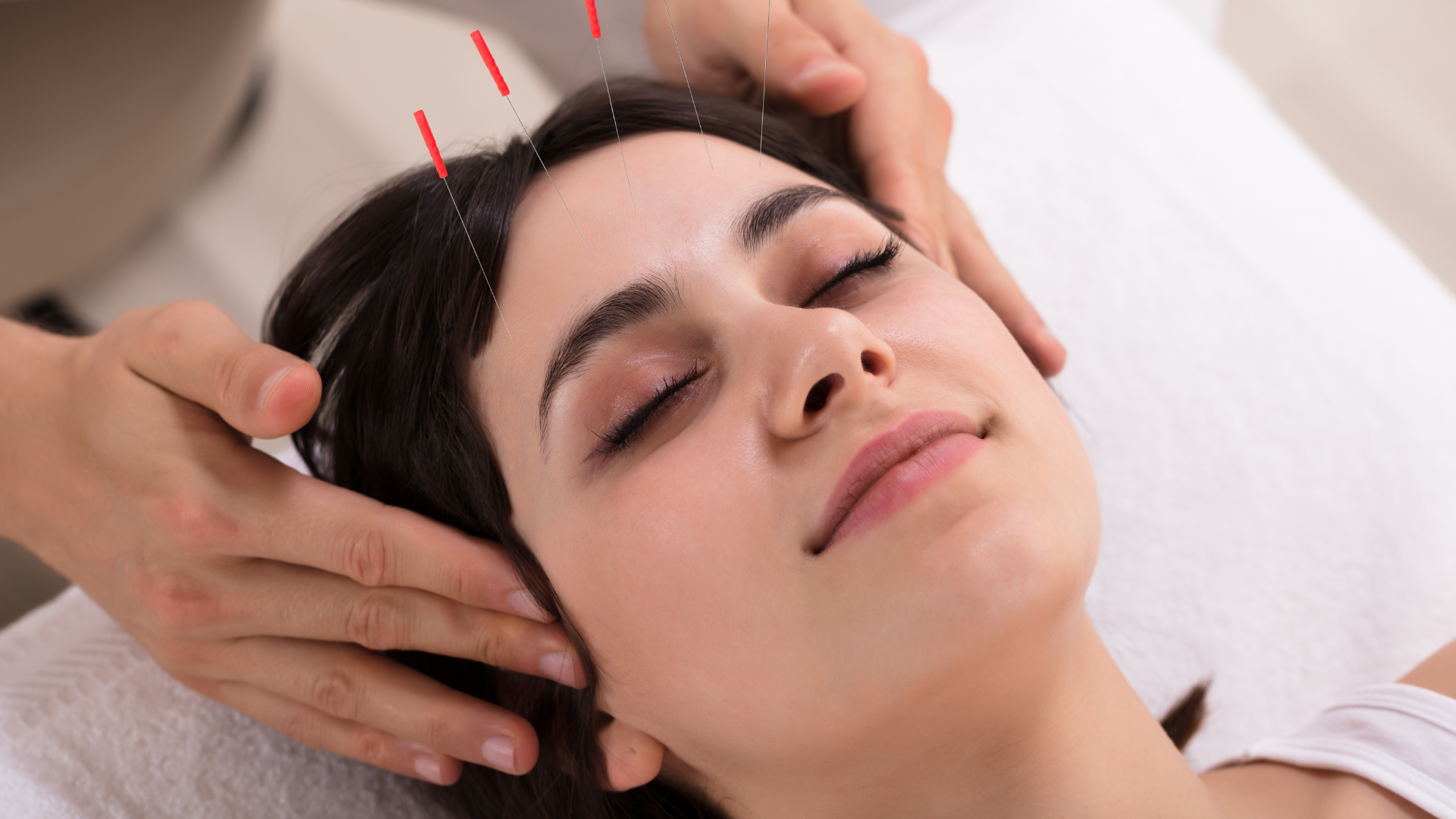
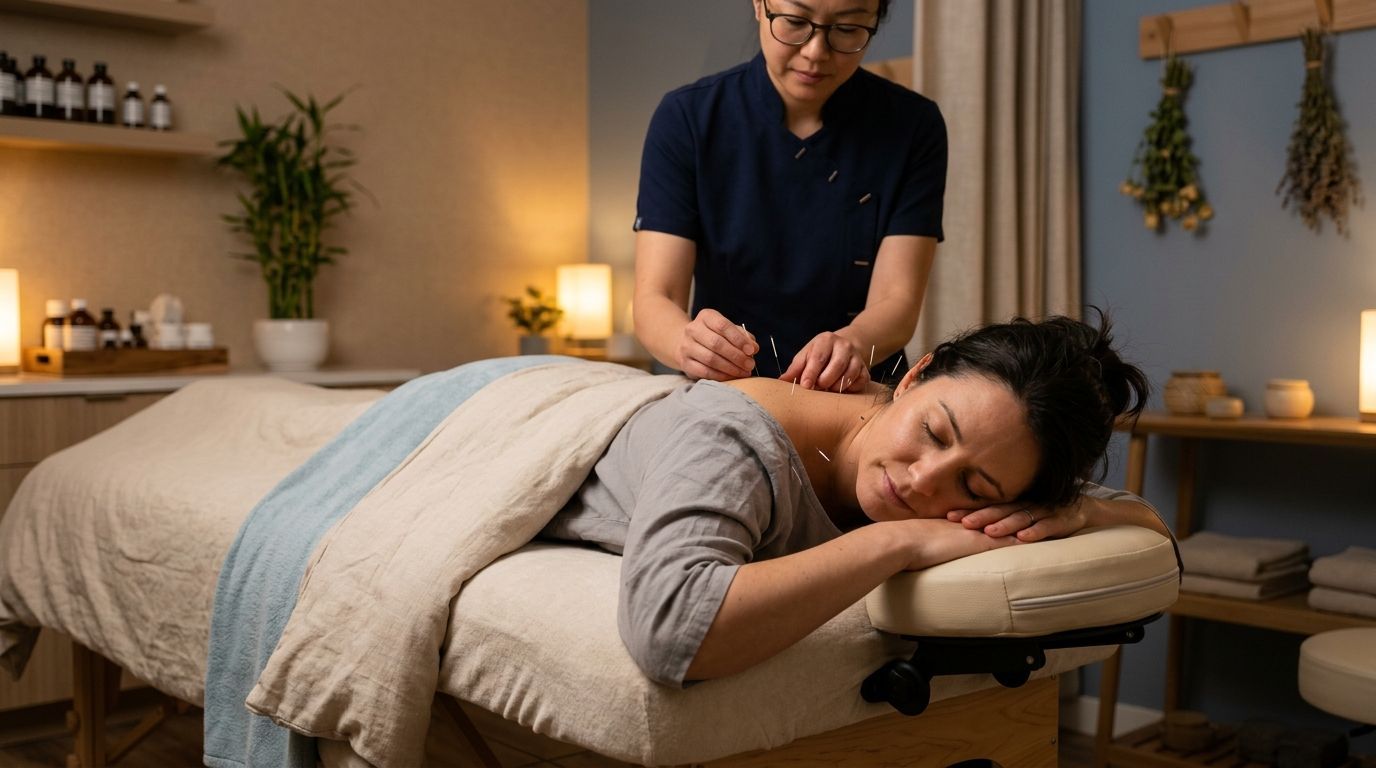
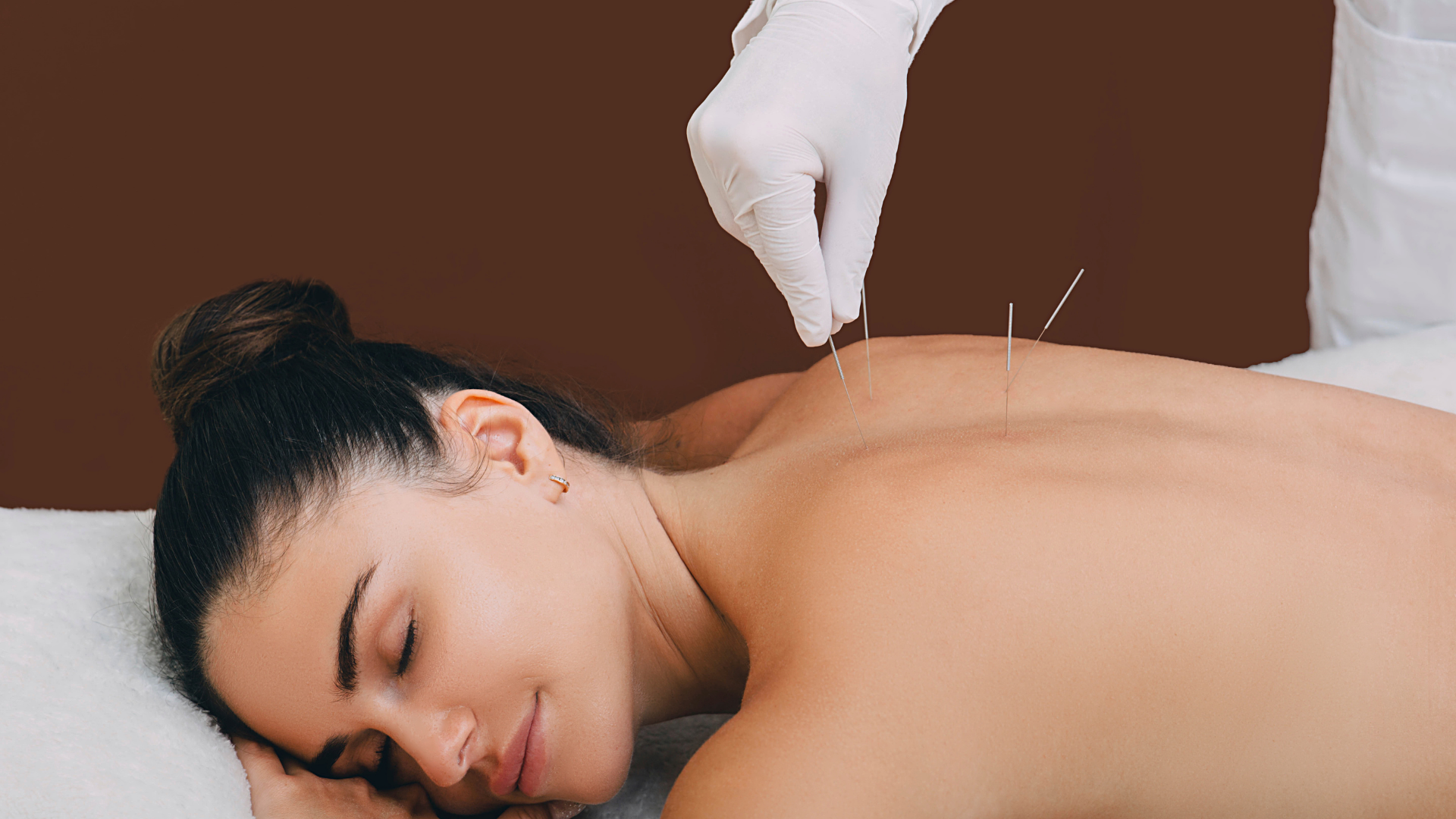
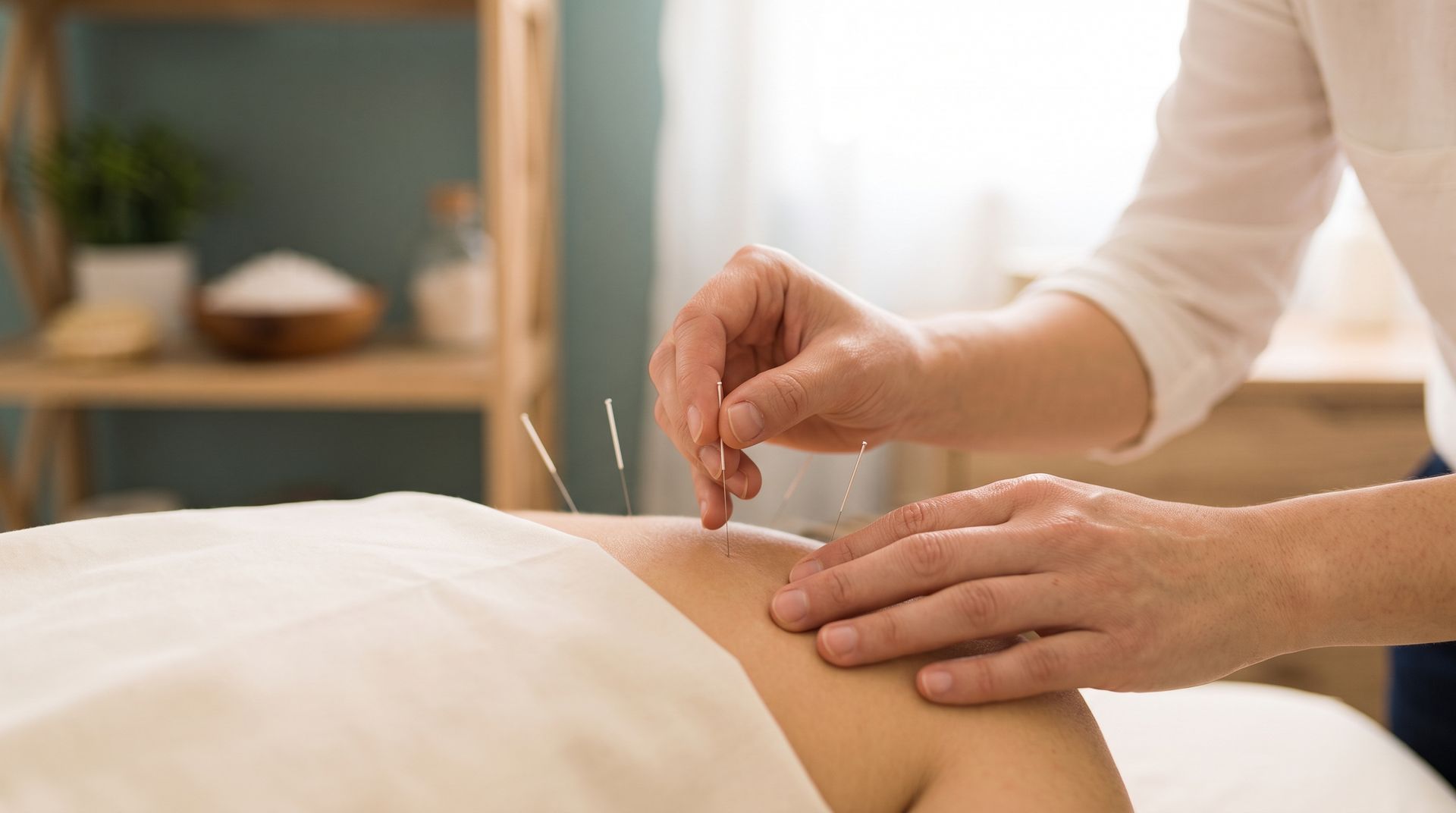
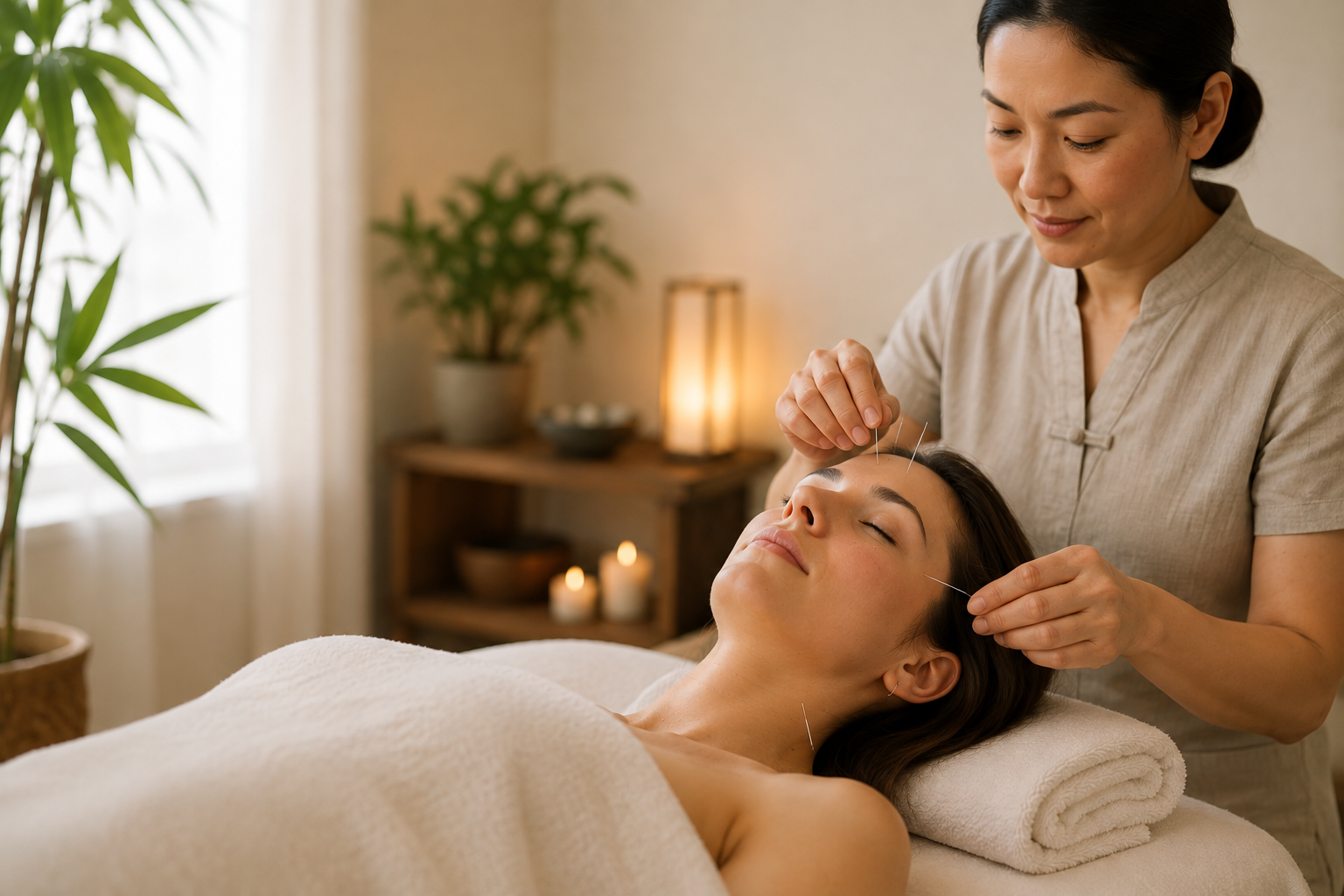
Acupuncturists then place very fine needles at selected points on the body.
Most people are surprised by how small acupuncture needles actually are. They are much thinner than the needles commonly used for injections or blood tests.
Many patients simply relax during their appointment, and some even fall asleep.
How Many Acupuncture Sessions Will I Need?
Herpes zoster, better known as shingles, occurs when the chickenpox virus reactivates
.
It typically causes a painful or burning rash along one side of the body.
Some people describe shingles pain as:
- Burning
- Tingling
- Stabbing
- Extremely sensitive
- Painful even when touched lightly by clothing
A healthcare professional should evaluate shingles quickly because antiviral medication works best when started early.
Acupuncture may sometimes be considered as a complementary option for managing discomfort, including lingering nerve-related pain after the rash improves.
But acupuncture should not delay antiviral treatment or medical evaluation.
Shingles affecting the eye, face, or nervous system requires particularly urgent medical attention.
Acupuncture Works Best as Part of a Bigger Picture
When skin is irritated, it is tempting to search for one magical treatment that fixes everything.
Unfortunately, skin conditions are rarely that simple.
Depending on the diagnosis, an effective care plan may include medication, topical treatments, moisturizers, lifestyle changes, stress management, dietary guidance, dermatological care, or other medical treatments.
Acupuncture can be one part of that broader approach.
The goal is not to ignore conventional healthcare. It is to create a thoughtful plan that supports your health while making sure serious conditions receive the medical attention they require.
When Should You See a Doctor Immediately?
Some skin problems should not wait for an acupuncture appointment.
Seek prompt medical attention if you experience:
- Difficulty breathing or throat swelling
- Rapidly spreading redness
- High fever
- Severe swelling
- Significant pus or drainage
- Severe or rapidly increasing pain
- A rash involving the eyes
- Signs of a serious allergic reaction
- A painful or swollen breast with fever
- Signs that an infection is getting worse
When infection is involved, early medical treatment can prevent complications.
Looking for Additional Support for a Skin Condition?
Living with a recurring skin condition can be uncomfortable, frustrating, and sometimes exhausting.
Whether you are dealing with urticaria, acne, eczema, psoriasis, herpes zoster, boils, or another dermatological concern, acupuncture may be worth discussing as part of your overall care plan.
At Serene Life Acupuncture, we take the time to understand your symptoms, general health, and individual concerns before recommending a treatment approach.
If you are interested in learning whether acupuncture may complement the care you are already receiving, contact Serene Life Acupuncture to schedule a consultation.
Your skin may be what you see on the outside, but taking care of it often means looking at the bigger picture.