Acupuncture for Headaches and Migraines
Acupuncture for Headaches and Migraines: Can It Help?

Headaches and migraines can make it difficult to focus, work, sleep, or enjoy everyday activities. While occasional headaches may go away on their own, recurring headaches and migraines can become a frustrating part of daily life. For people looking for additional ways to manage their symptoms, acupuncture for headaches and migraines may be worth exploring.
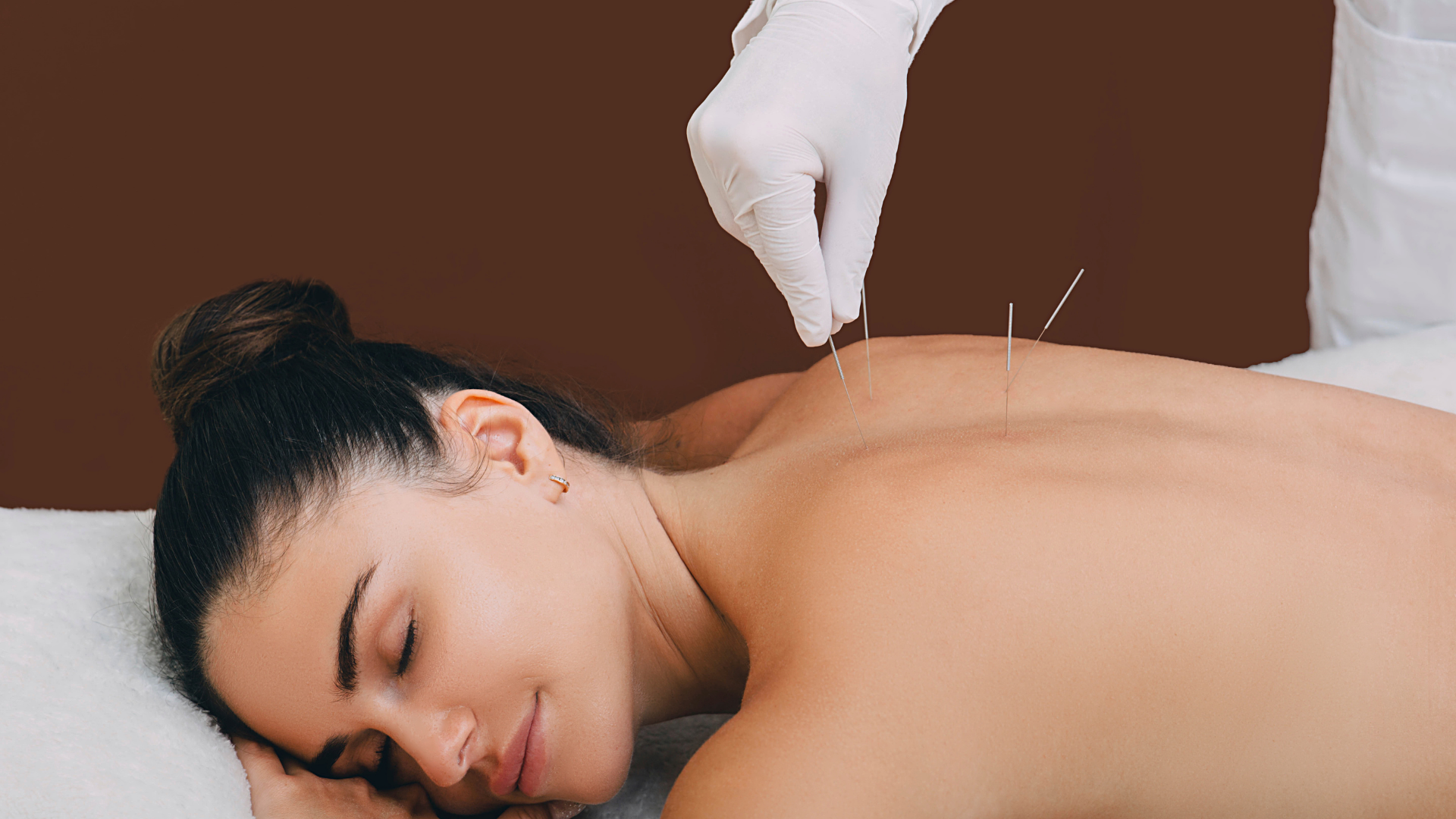
Acupuncture is a traditional practice that involves placing very thin needles at specific points on the body. It is commonly used as part of a broader approach to wellness and may help some people manage headache frequency, intensity, and related symptoms.
What Causes Headaches and Migraines?
Headaches can have many different causes. Stress, muscle tension, dehydration, lack of sleep, changes in routine, certain foods, and other factors may contribute to headaches.
Migraines are a specific type of headache that can involve moderate to severe pain, often on one side of the head. Some people also experience nausea, sensitivity to light or sound, or visual disturbances.
Because headaches and migraines can have
different triggers and underlying factors, identifying patterns in your symptoms can be helpful when considering treatment options.
How Can Acupuncture Help With Headaches?
Acupuncture focuses on specific points throughout the body and is traditionally believed to support the body's natural balance. From a modern medical perspective, research suggests acupuncture may influence pain-processing pathways and other nervous-system responses.
For some people, acupuncture may help reduce the frequency or severity of certain headaches. It may also be used alongside other approaches recommended by a healthcare professional.
The response to acupuncture can vary from person to person, so treatment is generally individualized based on symptoms, history, and overall health.
Acupuncture for Migraines
If you experience recurring migraines, you may be interested in acupuncture for migraine relief as part of a comprehensive approach to managing symptoms.
Acupuncture sessions may focus on areas associated with pain, tension, and relaxation. A practitioner may also consider factors such as sleep, stress, muscle tension, and other patterns that could be contributing to recurring symptoms.
Some people choose acupuncture as a complementary approach alongside conventional migraine care. It is important to discuss ongoing or severe migraines with a qualified healthcare professional, especially if your symptoms are new or changing.

What Happens During an Acupuncture Session?
During an acupuncture appointment, your practitioner will typically ask about your symptoms, headache patterns, lifestyle, and overall wellness. This information helps determine an individualized treatment approach.
Very thin, sterile needles are then gently inserted into selected acupuncture points. Many people describe the sensation as mild or barely noticeable. Needles are generally left in place for a period of time while you relax.
Your practitioner may recommend a series of sessions depending on your symptoms and goals.
How Many Acupuncture Treatments Might You Need?
There is no single number of acupuncture sessions that works for everyone. The recommended treatment schedule may depend on how often you experience headaches or migraines, how severe your symptoms are, and how you respond to treatment.
Some people may notice changes after a few sessions, while others may require a longer course of treatment. Your practitioner can help develop a plan based on your individual needs.
Other Ways to Support Headache and Migraine Management
Acupuncture can be one part of a broader wellness routine. Depending on your individual situation, helpful strategies may include:
- Getting consistent, adequate sleep
- Staying properly hydrated
- Eating regular, balanced meals
- Managing daily stress
- Taking breaks from prolonged screen use
- Maintaining good posture
- Keeping a headache or migraine journal
- Identifying personal triggers
- Following recommendations from your healthcare provider
Tracking when headaches occur and what happens beforehand can help you and your healthcare provider identify potential patterns.
Is Acupuncture Safe for Headaches and Migraines?
When performed by a properly trained practitioner using sterile, single-use needles, acupuncture is generally considered safe for many people. Minor effects such as temporary soreness, bruising, or small amounts of bleeding can occur.
Acupuncture should not replace medical evaluation when headaches are severe, persistent, unusual, or accompanied by concerning symptoms.
Seek urgent medical attention for a sudden, extremely severe headache or a headache accompanied by symptoms such as weakness, confusion, difficulty speaking, loss of consciousness, or significant changes in vision.
When Should You Consider Acupuncture for Headaches?
If headaches or migraines are interfering with your everyday life, you may want to discuss acupuncture with a qualified practitioner and your healthcare provider.
Acupuncture for headaches and migraines may offer a complementary approach for people interested in managing recurring symptoms as part of a broader treatment and wellness plan.
Find Out If Acupuncture May Be Right for You
Living with frequent headaches or migraines can be challenging, but you don't have to ignore recurring symptoms. A personalized approach can help you better understand your triggers and explore appropriate options for managing them.
If you're considering acupuncture for headaches or migraines, schedule a consultation with a qualified acupuncture practitioner to discuss your symptoms, goals, and treatment options.