Does Acupuncture Hurt? What the Needles Really Feel Like
Does Acupuncture Hurt? What the Needles Really Feel Like

If you’ve never tried acupuncture before, one of the first questions you may have is: Does acupuncture hurt?
The idea of having needles inserted into your skin can sound uncomfortable, but acupuncture needles are much thinner than the needles commonly used for injections or blood draws. For most people, acupuncture is not painful and may feel surprisingly gentle.
Understanding what acupuncture needles actually feel like can help ease your concerns and make your first treatment more comfortable.
Does Acupuncture Hurt?
For most people, acupuncture does not hurt in the way they might expect.
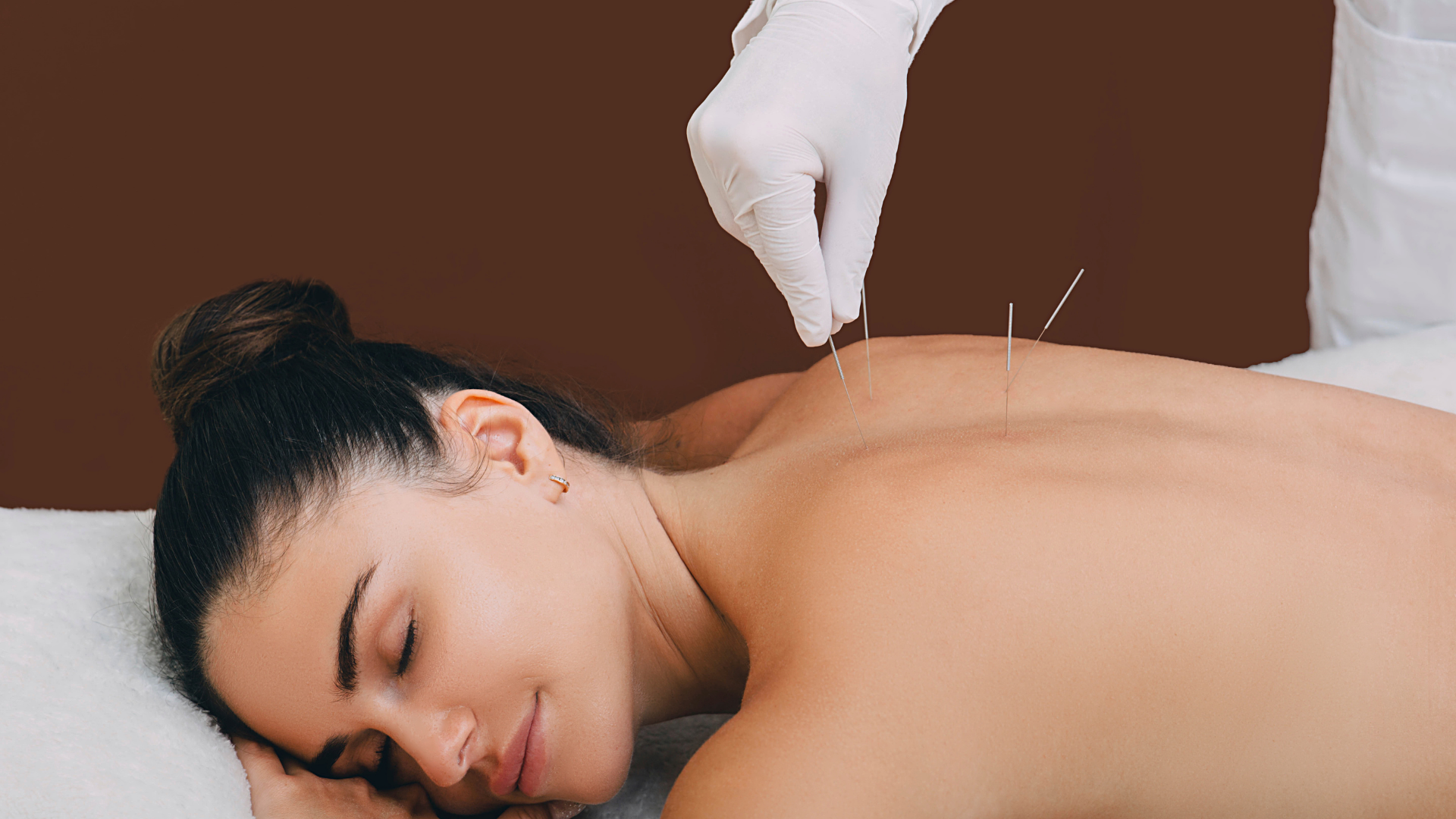
Acupuncture needles are extremely thin and are designed specifically for therapeutic use. When inserted by a trained and qualified practitioner, you may feel a brief sensation as the needle passes through the skin, but it is typically mild.
Some people describe the sensation as:
- A tiny pinch or prick
- A feeling of pressure
- A mild tingling sensation
- A brief dull ache
- A feeling of warmth or heaviness around the treatment area
Everyone experiences acupuncture differently. Some people barely notice the needles being inserted at all.
What Do Acupuncture Needles Feel Like?
One of the biggest misconceptions about acupuncture is that the needles feel like medical injection needles.
They don't.
Acupuncture needles are generally very fine and flexible. Unlike an injection needle, an acupuncture needle is not typically used to inject medication into the body. Instead, the practitioner carefully places the needles at specific points based on your treatment plan.
You may feel a quick sensation when a needle is inserted. Afterward, you may notice slight pressure, tingling, warmth, or heaviness.
Many people find the experience relaxing once the needles are in place.
Why Doesn't Acupuncture Usually Feel Painful?
The size and design of acupuncture needles are a major reason treatment is generally comfortable.
Traditional hypodermic needles used for injections or blood draws are designed to penetrate tissue and deliver or remove fluids. Acupuncture needles are much thinner and are primarily used to stimulate specific points on the body.
Your practitioner also considers the location and depth of needle placement. Areas of the body can have different levels of sensitivity, so some points may feel more noticeable than others.
If a needle feels uncomfortable, you should always tell your practitioner. They can adjust its position or remove it if necessary.
What Happens When an Acupuncture Needle Is Inserted?
During an acupuncture appointment, your practitioner will typically begin by discussing your concerns, symptoms, and treatment goals.
Once the treatment begins, the practitioner identifies the appropriate acupuncture points and carefully inserts the needles.
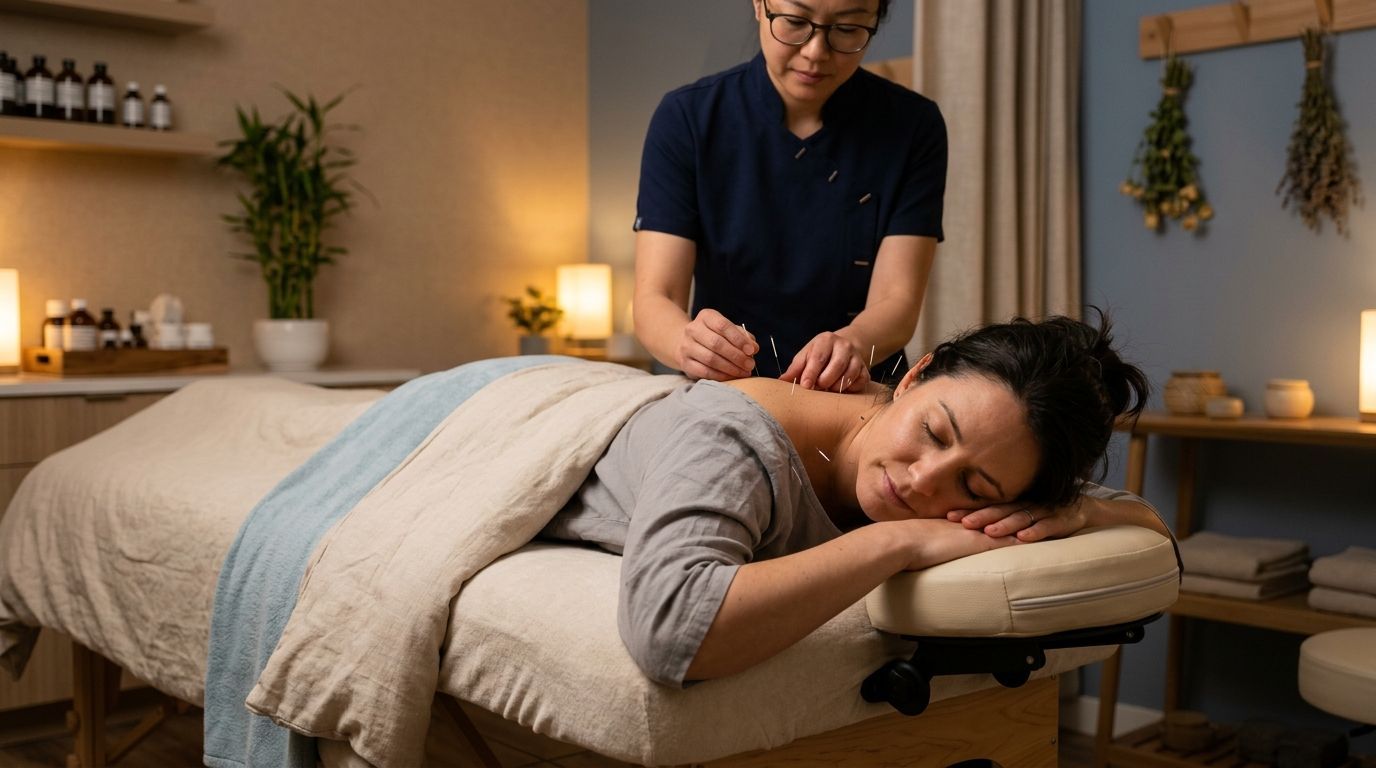
You might notice a very brief prick or pressure when each needle is placed. Once the needles are positioned, you may experience sensations such as warmth, tingling, heaviness, or a mild pulling feeling.
The practitioner may occasionally make small adjustments to the needles during treatment.
After the needles are placed, you'll usually rest for a period of time. Many people use this portion of the appointment to relax.
Can Acupuncture Needles Cause Pain After Treatment?
Most people do not experience significant pain after acupuncture.
However, you may occasionally notice mild tenderness, bruising, or soreness around a treatment point. These effects are generally temporary.
If you experience unusual, severe, or persistent pain after treatment, contact your healthcare provider or acupuncture practitioner for guidance.
Choosing an experienced, properly trained practitioner and communicating openly throughout your appointment can help make treatment as comfortable as possible.
Where Does Acupuncture Hurt the Most?
Acupuncture sensations can vary depending on where the needles are placed.
Some areas may be more sensitive than others because of differences in tissue, muscle, and nerve sensitivity. Certain points may produce a stronger sensation than others, but a stronger sensation does not necessarily mean something is wrong.
Your practitioner should explain what you may experience and should respond if you report significant discomfort.
Acupuncture should not be something you feel that you simply have to endure. If something feels painful rather than mildly noticeable, let your practitioner know.
What If I'm Afraid of Needles?
It's completely understandable to feel nervous about acupuncture if you don't like needles.
One of the best things you can do is tell your practitioner before your appointment. They can explain the process, answer your questions, and help you understand what to expect.
You can also ask your practitioner to begin slowly or explain each step before inserting a needle.
Remember, you are allowed to communicate throughout the treatment. If you feel uncomfortable, let your practitioner know.
Knowing what to expect can make acupuncture feel much less intimidating.
Is Acupuncture Safe?
When performed by a properly trained and qualified practitioner using sterile, appropriate needles, acupuncture is generally considered safe for many people.
As with any treatment, however, there can be risks. Minor bleeding, bruising, tenderness, dizziness, or temporary discomfort can occur.
It's important to tell your practitioner about relevant medications, medical conditions, pregnancy, or other health concerns before treatment so they can determine whether acupuncture is appropriate for you.
What Can You Expect During Your First Acupuncture Appointment?
If you're considering acupuncture for the first time, knowing what happens during an appointment can make the experience easier.
A typical appointment may include:
1. A consultation
Your practitioner will ask about your concerns, symptoms, health history, and treatment goals.
2. Treatment planning
The practitioner will determine which acupuncture points may be appropriate for your individual needs.
3. Needle placement
Very thin acupuncture needles are carefully inserted into selected points.
4. Relaxation period
You may rest with the needles in place while your practitioner monitors your comfort.
5. Needle removal
The needles are carefully removed when the treatment is complete.
Your experience may vary depending on your practitioner, treatment goals, and individual needs.
So, Does Acupuncture Hurt?
For most people, acupuncture is not painful. You may feel a quick prick, pressure, tingling, warmth, or a mild aching sensation when the needles are inserted or adjusted.
The experience is often much different from what people imagine when they hear the word "needle."
If you're interested in acupuncture but have been hesitant because you're worried about pain, talking with a qualified practitioner can help you understand what to expect and determine whether acupuncture may be appropriate for you.
Frequently Asked Questions About Acupuncture Pain
Does acupuncture hurt the first time?
Most people experience little to no significant pain during their first acupuncture treatment. You may notice a brief prick or mild sensation when the needles are inserted.
Are acupuncture needles painful?
Acupuncture needles are very thin, and most people find them relatively comfortable. Some points may create a temporary tingling, pressure, or dull sensation.
Does acupuncture hurt more than getting a shot?
Acupuncture generally feels different from receiving an injection. Acupuncture needles are designed for point stimulation rather than injecting medication, and they are typically much thinner than hypodermic needles.
How long do acupuncture needles stay in?
The amount of time needles remain in place depends on the treatment and your practitioner's approach. Your practitioner should explain what to expect during your appointment.
What should I do if an acupuncture needle hurts?
Tell your practitioner immediately. They can check the needle, adjust its position, or remove it if needed. Communication is an important part of making your treatment comfortable.
Ready to Try Acupuncture?
If fear of needles has been keeping you from trying acupuncture, you may be surprised by how gentle the experience can be. A qualified practitioner can walk you through the process, answer your questions, and create a treatment experience focused on your comfort.
Schedule an acupuncture consultation today to learn more about what acupuncture may offer and whether it's right for you.